Keys, Clauses and Cake Sales: How to Book a Community Hall in 2026
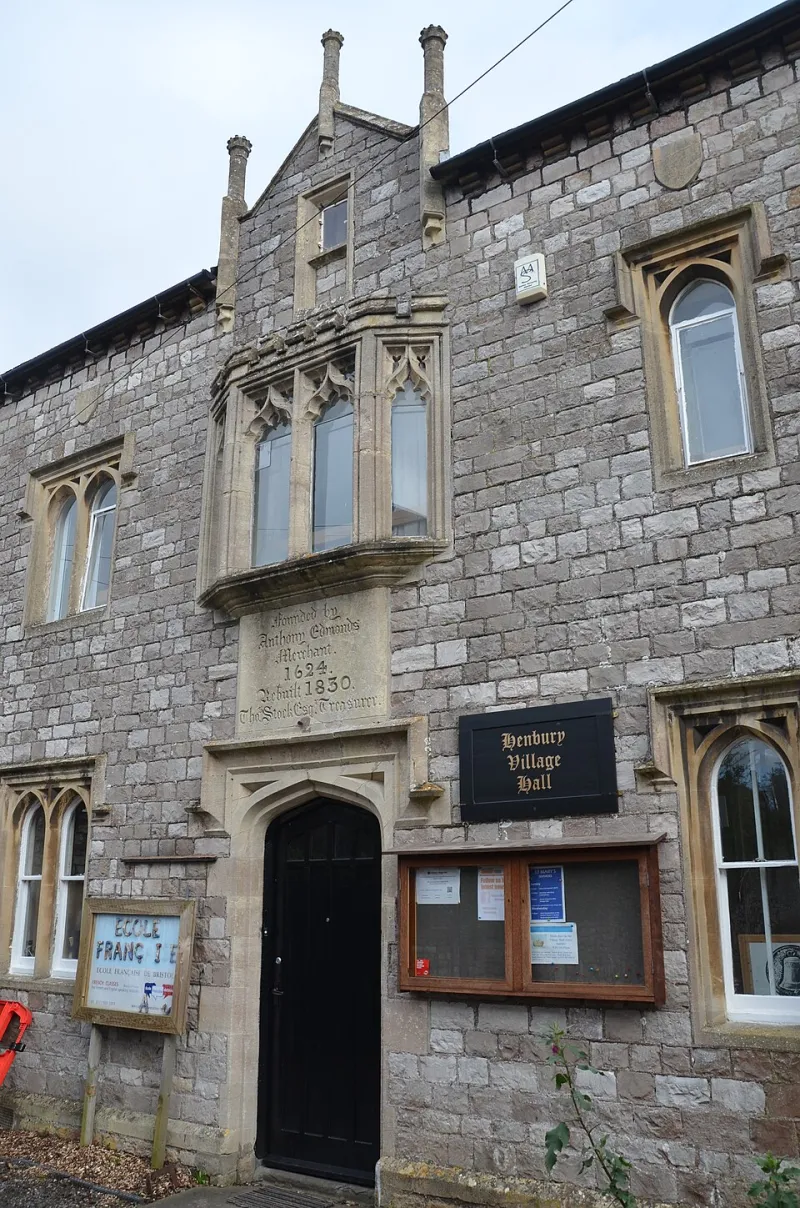
Photo: Hamburg103a, CC BY-SA 4.0, via Wikimedia Commons
Every neighbourhood has one: the hall with the noticeboard, the kitchen that smells faintly of tea, and a booking calendar that seems to live in someone’s coat pocket. The village hall is not a museum piece. It is often just under-used because the route from ‘we should hire that place’ to ‘we have the keys’ is more tangled than it needs to be.
At Your Centre, we hear the same thing from community groups, exercise classes and party organisers: the space exists, but the process feels like a part-time job. A bit of preparation turns a vague enquiry into a confirmed booking. Here is how to approach it in 2026 without losing a fortnight to answerphone tag.
Start with the space, not the search engine
Most areas have more usable rooms than people realise. Think beyond the obvious village hall: church halls, scout huts, sports club pavilions, library meeting rooms, school halls outside teaching hours, community centre side rooms and even the function room above a pub. Some are run by parish councils, some by charities, some by volunteers who also do the cleaning.
A national search engine will only get you so far. Check council websites, local Facebook groups, parish newsletters and the actual noticeboard by the shop. Then ring or email. Some venues now use online booking calendars, but plenty still rely on a volunteer with a paper diary. Do not assume the website is current. Ask for availability, the hire agreement and the full fee sheet in one go.
The questions that save you a fortnight
Before you fall in love with a room, ask the boring questions. What time can you get in to set up? What time must you be out? Is the caretaker on site, or do you collect a key from someone’s house? Are tables and chairs included? Is the kitchen available, and is there a charge for using the cooker or fridge? Is there a sound system, projector or Wi-Fi, and do they actually work?
Also ask about parking, public transport, bin use and cleaning. A hall that looks cheap can become expensive if you need to hire chairs, pay a separate caretaker fee or spend an hour putting tables back. Get the answers in writing, even if it is just a confirmation email.
Accessibility is not a tick-box
If your event is open to the public, accessibility matters before you print a single poster. Ask about step-free access, the width of doorways, accessible toilets, hearing loops and lighting. Is there a quiet room or a seating area away from the main noise? Can someone with a wheelchair or mobility aid reach the stage, kitchen and toilets without a detour through a storage cupboard?
Photos help, but a short visit is better. Try to see the space at the same time of day as your event. A hall that feels welcoming on a sunny Tuesday morning can feel very different at 7pm in January.
Insurance, licences and the small print
The venue’s insurance is not automatically your insurance. Ask what the hire agreement covers and whether you need your own public liability cover. Many small community groups do. If you are working with children or vulnerable adults, check the venue’s safeguarding policy and whether volunteers need DBS checks for the activity you have planned.
If you are selling alcohol, ask whether the venue’s premises licence covers it or whether you need a temporary event notice. If you are playing recorded or live music, check whether the venue’s music licences cover your event. If food is involved, think about food hygiene, allergies and who is responsible for the kitchen. None of this needs to be scary, but it does need to be asked before the cake stall opens.
How to talk money without awkwardness
Ask for the published rate, then ask whether there is a community or charity rate. Some halls offer cheaper block bookings or off-peak deals. Check what the deposit is, when it is refundable and what happens if you cancel. Confirm whether VAT is included and whether cleaning is part of the fee.
It is fine to negotiate politely, especially for a regular booking or a local event. It is not fine to assume the hall will waive rules because you are a good cause. Volunteers running the venue are often juggling bookings, maintenance and a leaking boiler. Clear, friendly emails get better results than vague ones.
Fill the room: promoting locally
Once the booking is confirmed, tell people plainly. Put the what, when, where, cost and accessibility information in the first line of every poster and post. Use the parish newsletter, library noticeboard, school gate, local WhatsApp groups, faith venues, corner shop and council events page. Ask the hall to share it too; many have mailing lists and social accounts that are under-used.
A simple poster with large text still works. So does a short message that someone can forward. If you are charging, say what the money covers. If it is free, say that clearly. People are more likely to turn up when they know what to expect.
Admin traps that catch good groups
Most problems are small and preventable. Not reading the hire agreement. Assuming the kitchen is included. Forgetting to arrange key collection. Leaving chairs out because the next booking is tomorrow. Overrunning and losing the deposit. Not having an emergency contact. Not checking whether the car park is locked at 9pm.
Keep a one-page event plan: timings, key holder, first aider, fire exits, access needs, contact numbers and clean-up rota. Send it to everyone helping. It sounds formal for a coffee morning, but it saves arguments later.
A simple booking checklist
- Confirm availability, access times and total cost in writing.
- Visit the space and check accessibility, kitchen, toilets and parking.
- Ask about insurance, licences and safeguarding requirements.
- Confirm deposit, cancellation terms and cleaning arrangements.
- Agree key collection and who locks up.
- Promote with clear, plain-English details.
- Keep a named contact and a clean-up plan.
The hall down the road is still there, usually with a reasonable rate and a decent kettle. It just needs a better route in. Ask the right questions, get the agreement in writing and treat the volunteers well. That is how a good local space stops being a missed opportunity and starts being the room where your neighbourhood actually meets.