A Warm Welcome Is a Local Thing: Finding — or Starting — a Winter Hub in 2026
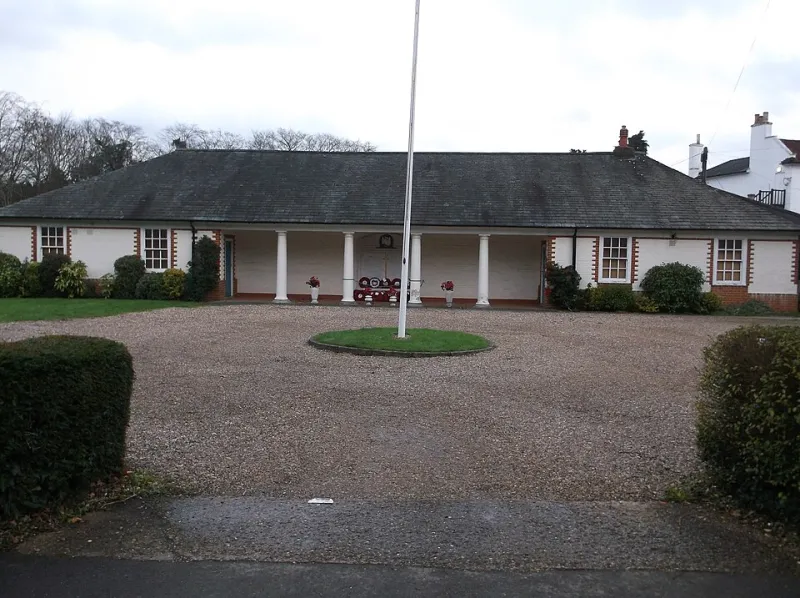
Photo: Harry Mitchell, CC BY 4.0, via Wikimedia Commons
Winter is not just a weather forecast. For plenty of people it is a set of small decisions: whether to put the heating on, whether to go out, whether to admit that the house is colder than they would like. Warm hubs are one practical answer. They are ordinary local places where you can spend time, have a hot drink and not be asked to explain yourself.
For winter 2026, libraries, churches, community centres, cafés and voluntary groups across the UK are once again opening warm spaces. Some are formal schemes with funding and staff. Others are a few volunteers with an urn and a sign on the door. Both can be useful. The trick is knowing what to look for and, if you want to start one, keeping it simple enough to last.
What a warm hub actually is
A warm hub is a welcoming indoor space where people can go during the colder months. It might offer free tea and coffee, Wi-Fi, newspapers, advice, activities or simply a warm room. It is not a replacement for someone’s home, benefits advice or emergency support, but it can be a bridge. Good ones are low-pressure and open to anyone who needs them, without means testing.
Some areas use the term warm space, welcome space or winter lounge. The name matters less than the reality: a safe, heated room, clear opening times and people who are pleased to see you.
Where to look near you
Start local. Check your council’s website and social media for a winter support map. Ask at the library, the parish office, the community centre, the mosque, the church, the food bank or the local housing association. Noticeboards still work. So do neighbourhood WhatsApp groups and the person behind the counter at the corner shop. In rural areas, the mobile library, village hall or pub may know more than a national search engine.
Search terms such as ‘warm hub near me’, ‘warm space in [your town]’ and ‘winter support [your council]’ can help, but lists go out of date. Ring ahead if you can, especially if you need step-free access, a quiet room or help with transport. Ask whether you need to book, whether children or carers are welcome and whether assistance dogs can come in.
A quick checklist before you go
- Opening times and whether you need to book.
- The address and which entrance to use; some venues use a side door.
- Step-free access, accessible toilet and hearing loop.
- Whether refreshments are free and whether buying something is expected.
- Whether children, carers and assistance dogs are welcome.
- What is on offer: company, advice, activities or simply a warm seat.
- Who to contact if plans change.
If you want to start one on your street
1. Find a venue that already works
A church hall, community centre, library meeting room, café corner, scout hut or pub function room can all work. Look for a space that is already heated, insured and accessible. Ask about hire costs, opening hours, kitchen use, toilets and whether the venue has a safeguarding policy. A room you can use for two hours a week is better than a grand plan you cannot sustain.
2. Keep the offer clear and small
Two hours, one day a week, free tea and coffee, biscuits and a warm welcome is a perfectly good start. Do not promise advice you cannot deliver. If someone asks about benefits, housing or health, have a list of local services and offer to help them make contact. Signposting is enough.
3. Build a small volunteer rota
You need a welcome person, someone on refreshments and someone to set up and pack down. Three to five volunteers is often enough. A DBS check is not automatically required for every volunteer in a general warm hub, but it is required in some regulated activities. Ask your local safeguarding lead and follow the venue’s policy. Have a named person responsible for safeguarding and first aid.
4. Sort money and insurance early
Make a small budget for refreshments, heating contribution, publicity and cleaning. Ask the venue what its insurance covers and whether you need public liability cover for volunteers or activities. Check the hire agreement. Grants may be available from the council, local charities, churches or businesses. Keep simple records of what you spend.
5. Protect dignity and privacy
Do not ask people to prove they are struggling. Do not preach or pressure anyone to join in. Offer a quiet corner and make activities optional. Respect cultural and religious needs. Keep any sign-in sheet minimal and secure, and do not share personal details. A warm hub should feel like a good neighbour’s front room, not a queue at a service counter.
6. Spread the word locally
Posters in the library, GP surgery, pharmacy, food bank, school and faith venues still matter. Tell the council so it can add you to its list. Use local Facebook groups, WhatsApp groups and parish newsletters. Write in plain English, use large print and state clearly whether the venue is step-free. Word of mouth will do the rest.
The small things that make a big difference
Consistency matters more than razzle-dazzle. Open when you say you will. Put a clear sign on the door. Have someone friendly at the entrance. Keep the room warm but not stifling. Offer water as well as tea. Make sure there is a seat for someone who cannot stand. Ask attendees what would help, then adjust.
A warm hub is not a magic fix for cold homes or tight budgets. It is a local answer to a local problem: a room, a kettle and a bit of company. If your street has a spare hour and a spare table, you may already have the makings of one.