The Hour That Shapes Your Street: Sitting In on a Parish Council Meeting
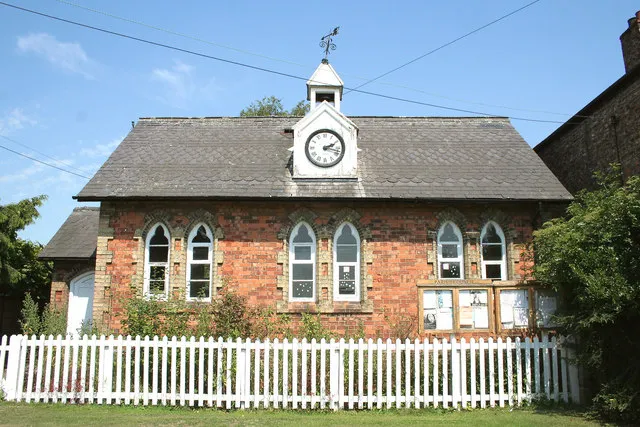
Photo: Gordon Kneale Brooke, CC BY-SA 2.0, via Wikimedia Commons
There is a particular kind of local power that meets in a village hall on a Tuesday evening, usually around a table with a slightly wobbly leg. It decides whether the bus shelter gets repaired, which verge gets cut, how much the hall costs to hire and whether anyone has written to the council about the state of the pavement. It is not glamorous. It is, however, one of the most direct ways to see how your neighbourhood is run.
Welcome to the parish council meeting — or, depending on where you live, the community council meeting. In England, parish councils cover many villages and smaller towns. In Wales, community councils do similar work. The names and powers vary, but the principle is the same: a group of local people, elected or co-opted, making small decisions with a surprisingly long reach. At Your Centre, we think it is worth an hour of your time at least once. Here is how to make that hour feel less like a mystery.
Why the village hall matters
Parish councils are often the first rung of local democracy. They comment on planning applications, manage allotments and playing fields, run or support community buildings, and lobby larger authorities about roads, buses and safety. They also set a small local tax called the precept, which appears on your council tax bill. It is not the whole story of your street, but it is a useful thread to pull.
Meetings are public. You do not need a special invitation, a membership card or a background in planning law. You can turn up, sit at the back, and leave knowing more than you did when you arrived. That alone is a decent use of an evening.
Find the paper trail first
Before you go, spend ten minutes looking for the agenda. In 2026, most councils publish papers on a website, but the neighbourhood noticeboard still matters. Check the parish or community council site, the clerk's contact details and the physical board outside the hall. Agendas are usually posted a few days before the meeting, along with any reports and the previous minutes.
Read the agenda like a menu, not a legal document. Look for items that touch your street: highways, planning, playing fields, community events, grass cutting, street lighting. If you want to ask a question, check whether there is a public participation slot. Many councils set aside a few minutes at the start for residents. Some ask for notice in advance; others take questions on the night. A quick email to the clerk is rarely wasted.
The clerk is the unsung hero of this world. They are the council's proper officer, the person who publishes papers, takes minutes and keeps the administrative wheels turning. If you are unsure how to raise something, ask them. They would usually rather answer a simple question beforehand than watch you wrestle with procedure in the room.
A rough guide to the jargon
You will hear words that sound heavier than the matters they describe. An agenda is the list of things to discuss. Minutes are the record of what was decided. A resolution is a formal decision. A quorum is the minimum number of councillors needed to make the meeting valid. Standing orders are the council's own rules for how meetings run. A declaration of interest is when a councillor says they have a personal or financial stake in an item and steps back from the discussion.
Planning language can be especially dense. Councils often comment on applications rather than decide them; the local planning authority has the final say. Terms such as consultation, representation and material consideration are not code for secrecy. They are the vocabulary of a process that moves slowly and in writing. If you are there about a planning application, listen for whether the council is objecting, supporting or simply noting it. That distinction matters.
Asking a question that lands
A useful question is usually short, specific and connected to something on the agenda. 'Could the council ask the highways team to look at the drain outside number 14?' is easier to act on than 'What are you doing about flooding?' Both may be fair, but the first gives everyone something to write down.
Bring a note of the location, the problem and any reference number you already have. If you have a photo, so much the better. Avoid turning the public slot into a speech; a minute or two is plenty. Councillors are volunteers with a packed agenda, and the clerk is keeping time. Being concise is not the same as being unimportant.
It also helps to know what the council can and cannot do. A parish council may not run the local bus service or fix every pothole, but it can report problems, lobby the county or unitary authority, and support local schemes. Ask what the next step is, and who owns it. That is often more useful than demanding an immediate fix.
When to speak, when to listen
Public participation is usually a designated slot, not an open mic throughout the meeting. Speak when invited, keep to the point and listen to the answer. If councillors need more information, they may ask you to put it in writing. If an item is not on the agenda, they may not be able to discuss it that night. That is procedure, not a snub.
Sometimes the most useful thing you can do is listen. You will learn which councillor knows about drainage, which one champions the playing field, and how the clerk keeps the paper trail straight. You will hear about small grants, village events and the endless business of keeping a place tidy. You may also hear disagreement. Local democracy is not a cosy consensus; it is a group of people trying to make reasonable decisions with limited money.
What happens after the vote
After the meeting, the minutes will be drafted and published. Decisions may be action points: write to the authority, get a quote, ask for a site visit. Some will take months. If you asked a question, look for the follow-up. If you promised to send evidence, send it. This is how a one-off visit becomes a relationship rather than a grumble.
You do not have to become a councillor. You do not have to speak every month. But sitting in once can change how you see your street. The bus shelter, the bench, the noticeboard and the patch of grass stop looking like background and start looking like decisions. At Your Centre, that feels like a decent way to spend an hour: not to heckle, not to perform, but to see how the small machinery of neighbourhood life actually turns.
Take a notebook. Arrive five minutes early. Read the agenda. Say your piece if you have one. Then listen. The folding chairs may be uncomfortable, but the democracy is remarkably close to home.