Who Grits the Pavement? A Neighbourly Winter Walk-Through

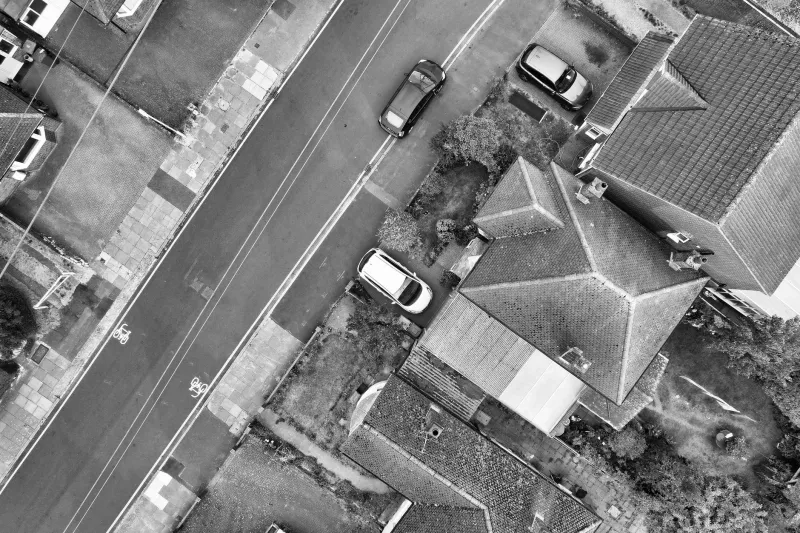
Photo: Barbara Carr , CC BY-SA 2.0, via Wikimedia Commons
There is a particular kind of quiet on a residential street after a hard frost. The main road has been salted, the bus route is moving, and the pavements outside the shops are passable. Then you turn into your own cul-de-sac and find a polished sheet of ice where the pavement should be. Nobody is being dramatic; that is simply how winter maintenance usually works. Councils prioritise the routes that carry the most people, and side streets often wait.
That does not mean you are on your own. It means the job is shared out differently. A little local knowledge, a shovel, and a few conversations can make your street safer without turning anyone into a unpaid highways operative. Here is a practical walk-through for the colder months ahead.
First, find your nearest grit bin — and check it now
Most councils publish an online map of grit bins. Search your council's website for 'grit bins' or 'winter maintenance' and enter your postcode. The map will usually show the nearest bin and whether it is council-managed or provided by a parish or community group. It is worth doing this before the first snow, not after.
A few things to know about the bin itself:
- It may contain rock salt, a sand-and-salt mix, or something similar. It is intended for public roads and pavements, not for topping up your driveway, but a bucketful for a tricky stretch of pavement is exactly what it is there for.
- Take only what you need. Filling a carrier bag or a small bucket is fine. Emptying the whole bin into your garage is not.
- If the bin is empty, damaged, or missing, report it. Councils often have a simple online form, an app, or a phone line for street services. Give the location clearly: the street name, the nearest house number, and any bin reference printed on the side.
- Ask a neighbour to report it too. Multiple reports for the same bin are not a nuisance; they are a useful signal that the location matters.
What the council will and won't clear
It helps to know the boundaries. Councils generally publish a 'winter service plan' that sets out which roads and pavements they treat. Priority usually goes to main roads, bus routes, routes to hospitals and schools, steep hills, and key walking routes in town centres. Residential streets and cul-de-sacs are often lower down the list, and many pavements are not treated at all unless they form part of a priority walking route.
That means a gritter may never appear on your street, and that is not necessarily a failure. It is a question of resources. What councils will often do is refill grit bins, respond to reports of dangerous icy patches on priority routes, and coordinate with local groups. What they will rarely do is send a team to shovel every residential pavement. If you want your stretch cleared, the most reliable plan is a neighbourly one.
Clearing your bit safely
You do not need special permission to clear the pavement outside your home, and you are unlikely to be sued for having a go in good faith. Common sense and a bit of care go a long way.
- Clear snow early, before it gets walked in and turns to ice. A shovel or a stiff broom is better than a garden spade for most pavements.
- Do not use boiling water. It melts the snow, runs into cracks, and refreezes into a worse hazard. It can also damage paving.
- Pile snow on a verge or garden, not on the road, and keep it away from drains, hydrants, and bin stores.
- Salt after clearing, not instead of clearing. A thin scatter is enough. Sweep up any excess so it does not get tracked into homes or washed into plant beds.
- Wear gloves and sturdy shoes, and take it steady. Shovelling is more strenuous than it looks.
If you have salt left over, offer it to a neighbour who has not managed to get out. A small tub with a lid is a good way to share it without turning your front path into a depot.
Share the load, not the blame
One person cannot keep a whole street clear, and they should not have to. A simple split works well: one neighbour checks the grit bin, another reports it when it is low, someone else clears the pavement outside the houses where older residents live, and a fourth sends a message round when snow is forecast.
A street WhatsApp group is handy, but it is not essential. A note through the door works just as well, and it reaches people who are not glued to their phones. Keep the tone light. The aim is not to appoint a snow warden; it is to make sure the same two people are not doing everything while everyone else assumes someone else has it covered.
The check-ins that matter most
Cold weather is not just an inconvenience. For people with mobility problems, older neighbours, those living alone, and anyone managing a health condition, a few days of ice can mean isolation, missed appointments, and real risk. A quick knock or a phone call can make a difference.
Ask whether they need anything from the shop — milk, bread, a prescription — and whether their path has been cleared. Offer to do the clearing if you are able. If they do not answer, try again later, and consider whether a neighbour or family member should be alerted. If someone seems confused, very cold, or unusually drowsy, seek urgent medical advice.
It is also worth remembering pets. Rock salt can irritate paws, so wash them after a walk, and keep bins closed. And if you use salt on your own path, do not let it pile up against garden plants; a little goes further than you think.
A street that is ready
Winter readiness is not a single dramatic act. It is a bucket of grit, a shovel by the door, a reported bin, and a quick word with the neighbour who does not get out much. It is knowing that the council will do what it can on the routes that matter most, and that the rest is a shared job. Do your bit, share the load, and keep an eye out. That is how a street stays passable — and how it stays neighbourly.