The Last Hundred Metres: A Neighbourly Plan for a Calmer School Run in 2026
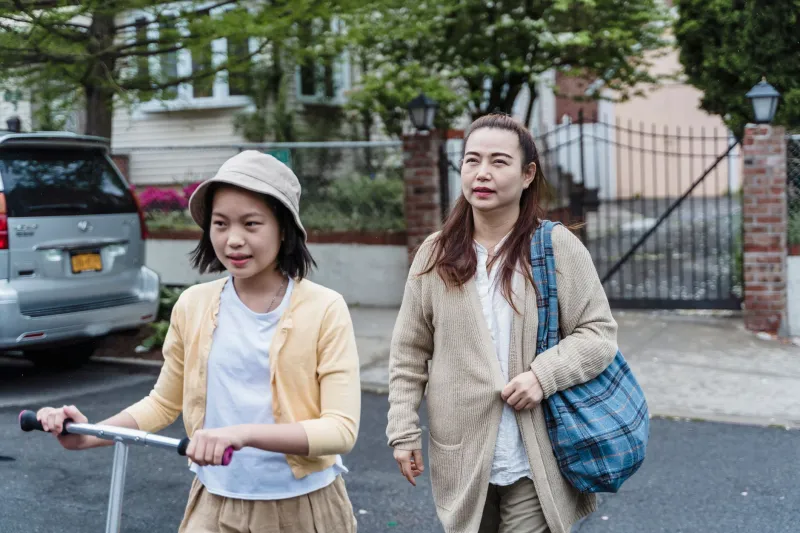
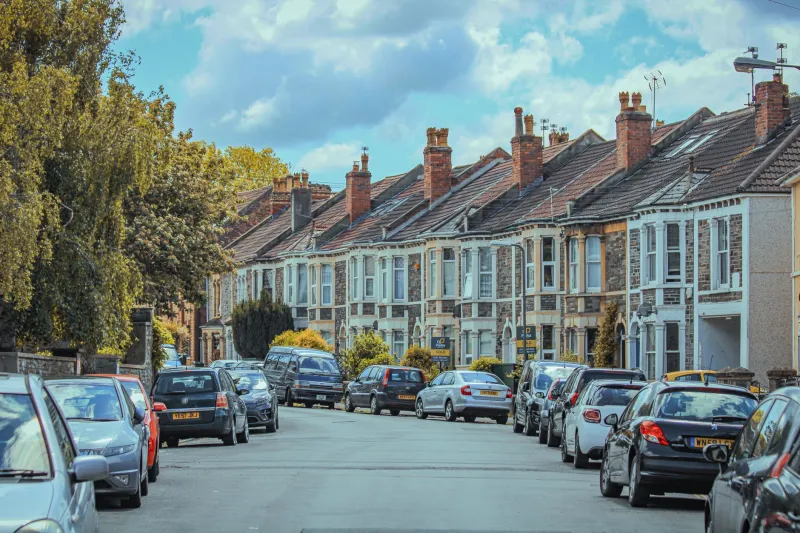
There is a particular kind of theatre that happens outside a school gate at ten to nine. A car pauses on the zig-zags, a door opens, a child hops out with a bag trailing, someone behind beeps, a lollipop patrol raises an eyebrow, and a neighbour on the pavement makes a mental note. By home time, the same scene plays out in reverse, often with more rain and fewer smiles.
The awkward truth is that most school-run congestion is not caused by villains. It is caused by lots of ordinary households doing ordinary things at exactly the same time. Work starts, trains leave, siblings need collecting, and the school gate becomes a very small stage for a very large number of people. The good news is that small, realistic changes can make a genuine difference without turning the street into a battleground.
Start with the last hundred metres
Many school-run problems are compressed into the final stretch: the bit where everyone tries to get as close as possible. If more families treated the last hundred metres as a walking zone, the immediate gate area would be calmer almost overnight. That does not mean every family can walk from home. It means parking a few streets away, using a car park, or agreeing a meeting point that is a short walk from the school and sticking to it.
The last hundred metres is also where children are most likely to be moving unpredictably. A five-year-old with a book bag and a scooter is not a reliable road user. Neither is a hurried adult with a coffee. Creating a little breathing space around the gate is one of the simplest safety measures a school community can adopt.
Ten small moves that add up
1. Pick a drop-and-go spot that is not the gate
Agree a nearby side street, car park or corner where a child can be dropped safely and walk the final stretch. It should be somewhere with a pavement, a clear view and no need for a three-point turn. The trick is consistency: if everyone uses the same spot, children learn the routine and the school gate stops doubling as a taxi rank.
2. Try a shared drop-off rota
Two or three households living near each other can take turns doing the morning run. One week you take four children, the next another parent does. It reduces the number of cars arriving at the gate and gives children a small social start to the day. Keep it simple, keep it fair, and make sure everyone knows the plan before the first Monday.
3. Build a walking bus, even a tiny one
A walking bus does not need high-vis jackets and a committee. It can be two parents walking three children along the same route at the same time. If your school already has one, ask how to join. If it does not, the school office may know other families heading in the same direction. The best version is the one that actually runs on a wet Tuesday.
4. Use park-and-stride without overthinking it
A park-and-stride scheme is simply parking a little further out and walking the rest. A supermarket car park, a community centre, a quiet residential street with no restrictions, or a friend's driveway can all work. Check any parking limits first, of course, and avoid swapping one blocked street for another.
5. Switch off when you stop
Engine idling outside schools is one of those things that feels small and is not. It affects the air children breathe at the exact moment they are gathered together. Modern cars do not need long warm-ups. If you are parked for more than a moment, switch off. A polite sign made by the school council can do more than a hundred cross emails.
6. Leave the zig-zags and crossings alone
The yellow zig-zag lines outside schools are not decorative. They exist so children can see and be seen. The same goes for crossings, dropped kerbs and bus stops. If the only available space is on a crossing or a pavement, it is not a space. A slightly longer walk is a fair swap for not being the reason a child steps out from behind a car.
7. Ask the school what it already has
Many schools have a travel plan, a parking policy or a parent-led travel group, even if nobody has mentioned it since the last newsletter. Ask the office whether there is a school travel plan champion, a walking bus route, or a bike and scooter storage scheme. Schools often hold useful local knowledge about which streets are safest at which times.
8. Talk to the council about the actual problem
If a junction feels dangerous, a crossing is missing, or parking restrictions are routinely ignored, the local council is the right place to raise it. Highway departments, parking enforcement teams and road safety officers can look at signage, enforcement, crossing improvements or school street schemes. It helps to bring specifics: times, locations, photos and a sense of what would make the biggest difference.
9. Make walking or wheeling the easy option
Scoters, bikes and balance bikes can cut the school-run queue, but they need somewhere sensible to go. Ask whether the school has storage, or whether a nearby railings-and-lock arrangement is allowed. If children are cycling, check the route for safe crossings. The aim is not to create a lycra parade; it is to make the short trip feel possible for more families.
10. Keep the conversation kind
School-gate conversations can curdle quickly. One person's emergency is another person's daily nuisance. Try to assume good faith, raise concerns privately rather than through a public pile-on, and avoid naming and shaming on street WhatsApp groups. A short, friendly word at the right moment often works better than a formal complaint. If something needs to change, frame it as a shared problem: 'How do we make this safer for everyone?' travels further than 'You shouldn't park there.'
Not everyone can walk, and that is part of the plan
Any sensible school-run conversation has to make room for families who genuinely need to drive: shift workers, parents with disabilities, households carrying heavy equipment, people living too far away, and carers juggling several stops. The point is not to shame drivers. It is to reduce the number of cars doing the shortest, most congestible trips, so that the people who really need to be close to the gate have a better chance of finding a safe space.
That is why the most successful school-run changes tend to be practical rather than preachy. A drop-and-go spot, a shared rota, a little more walking and a lot less idling can all coexist. Nobody has to be perfect. The street just needs a few more people doing one small thing differently.
A school gate is a public space too
It is easy to forget that the pavement outside a school is also a neighbour's front garden, a bus route, a delivery bay and a walk to the shops. A calmer school run is not just a gift to parents and children; it is a courtesy to everyone who lives nearby. By spreading out arrivals, switching off engines and keeping crossings clear, families can make the morning feel less like a scrum and more like a street that works.
If you are thinking of starting a conversation at your school, begin small. Ask the office what already exists, find two or three families who feel the same way, and choose one change to try for a fortnight. The last hundred metres are not a grand infrastructure project. They are a habit, and habits can shift.