Shade, Bark and Patience: Becoming a Street Tree Guardian in 2026
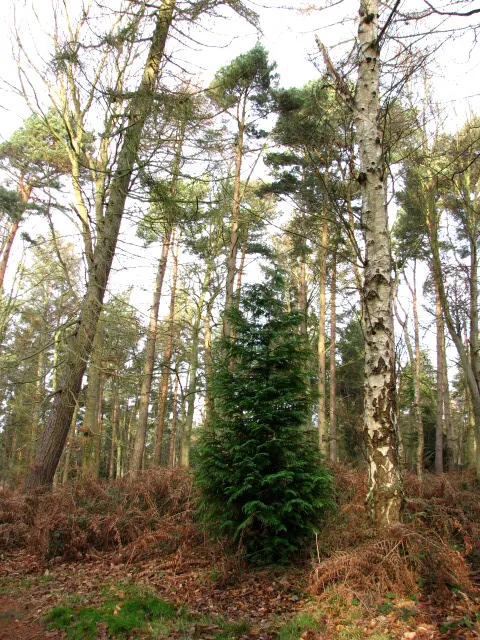
Photo: Evelyn Simak, CC BY-SA 2.0, via Wikimedia Commons
On a wet November day, a pavement tree can look like little more than a dark shape against the sky. But stand there for a minute and you will notice the stuff that matters: the little tree pit, the stake and tie, the bark, the buds already set for next spring. Street trees do quiet work all year. In 2026, with winters that swing from soggy to sharp and summers that can turn dry for weeks, they need a bit of quiet work back.
You do not need a clipboard or a horticulture qualification to be a street tree guardian. You need a pair of eyes, a little patience, and the good sense to know when to call someone who actually knows what they are doing. This is a guide to starting small and doing it properly.
First, work out what you are looking at
Street trees are a mixed bunch. On one road you might find London plane, lime, ash, rowan, cherry, birch or maple. Some are planted in tidy pits, some in grass verges, some in narrow strips beside parked cars. Start by looking at the leaves, buds and bark. A pocket guide or a reliable plant identification app can help, but treat the app as a starting point, not a final answer.
Your council may have a tree inventory or an online map showing what is planted where. Some trees carry small metal tags or numbered markers. Make a note of the location, the tag number if there is one, and what you can see. If you are unsure, ask. Local tree wardens, parks departments and council tree officers are used to sensible questions. They would rather have a calm enquiry than a guess that turns into a problem.
Why the first summers matter most
A newly planted street tree is not yet settled. Its roots are still finding their way in a small pit, and the pavement around it can be a hot, dry place. The first two or three summers are the vulnerable years. This is when a thorough watering makes the biggest difference.
A slow soak at the base is better than a daily flick from a watering can. In a dry spell, aim for a proper soak once a week rather than a light sprinkle every morning. Follow any local guidance on amounts, and check the soil before you water. If it is already damp, leave it alone. Early morning or evening is kinder, because less water vanishes before it reaches the roots.
A mulch ring can help keep moisture in and keep mowers and strimmers away, but keep it clear of the trunk. A thick volcano of mulch piled against the bark can do more harm than good. And if a hosepipe ban is in place, check what your water company allows. Young trees often have an exemption for watering, but it is worth knowing the rules before you unwind the hose.
Care that helps, and care that harms
Good tree care is mostly about restraint. Pick up litter from the pit. Keep grass and weeds away from the base by hand rather than with a strimmer. Report broken guards, loose ties or damaged stakes. Take a photo, note the location, and send it to the council. Those small reports add up.
What should you avoid? Pruning without permission. Loosening or tightening ties unless you have been trained. Carving initials into bark. Attaching signs, fairy lights or bird feeders with nails or wire. Painting wounds. Feeding a tree without knowing what it needs. Piling soil or mulch against the trunk. And running a strimmer close to the base, which can ring-bark a young tree in seconds.
If a tree has a guard, check that it is not rubbing. If the stake is loose, report it rather than fixing it yourself. If the tree pit is compacted or full of rubble, that is a council job too. The best guardian is often the person who notices and reports, not the person who improvises with a saw.
How to report damage or disease
Most councils have a tree officer, a highways team or an online reporting form for street trees. Give them the exact location, a photo or two, and a short description. What3words can be handy if the tree is not outside a numbered door. If the tree has a tag, include the number. Say what you can see: a split branch, a fungus at the base, bleeding bark, sudden dieback, a leaning trunk, or a guard that has become embedded in the wood.
Some signs are urgent. A hanging branch over a pavement, a tree that has shifted after a storm, or a trunk with a fresh crack should go to the council straight away. Keep clear and do not try to make it safe yourself. For disease, do not strip bark or poke at fungus. A clear photo is more useful than a handful of samples.
Ash dieback is one example of why reporting matters. It has changed the look of many UK roadsides and hedges, and a tree officer will want to know about suspect trees in public spaces. Honey fungus, bleeding cankers and pest damage are also worth flagging. You do not need to diagnose it perfectly. Describe what you see and let the experts decide.
Join a wider tree watch
The Tree Council's Tree Warden Scheme is one route into this world. Local tree wardens work with councils and community groups on planting, surveying and caring for trees. Some areas have friends groups, biodiversity teams or neighbourhood associations doing similar work. If there is no scheme near you, a small tree watch can start with a shared map and a few neighbours.
A tree watch does not need to be formal. It could be a seasonal walk to check the young trees on your street, a rota for watering in dry weeks, or a simple note through the door when a guard needs reporting. This winter is a good time to note which trees are on your road, which ones are young, and which ones look troubled. By next summer, you will know where to look.
Keep it light. One person cannot adopt every tree, and nobody needs a second job. A shared spreadsheet, a group chat and a willingness to take turns is enough. If you want to put labels on trees or run an event, talk to the council first. Trees are living things, and even a well-meant sign can damage bark if it is fixed the wrong way.
The long view
Street trees outlast most of our plans. They will be there after the road is resurfaced, after the shop changes hands, after the children on your street have grown up. That is the quiet bargain of being a tree guardian: you do a small thing now for shade you may never sit under.
Start with one tree. Learn its name, or at least its shape. Give it a soak in a dry week. Report the broken guard. Say hello to the neighbour who is also looking at it. A street tree is a shared thing, and looking after it is one of the simplest ways to remember that your centre is not just a place on a map. It is the patch outside your door.