The Skip Doesn’t Keep Everything: A Neighbour’s Guide to the Recycling Centre Reuse Shop
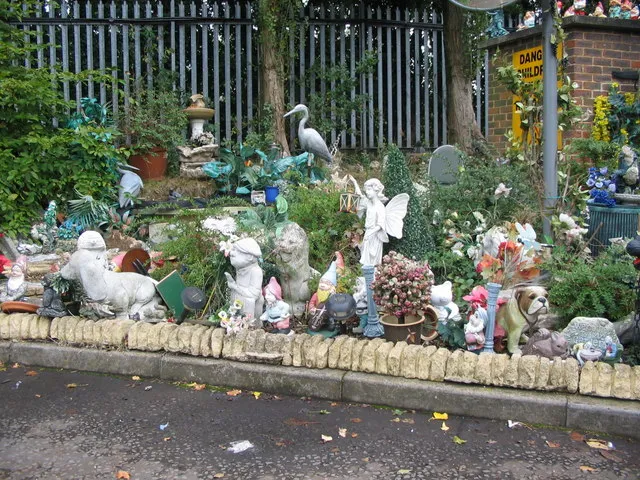
Photo: Roland Pilcher, CC BY-SA 2.0, via Wikimedia Commons
The modest shop at the end of the tip
Most of us know the household waste recycling centre as a place of queues, skips and slightly anxious reversing. But at a growing number of UK sites, there is a second building or cabin doing something quietly useful: selling the good stuff that would otherwise have been thrown away.
These are reuse shops. They take furniture, bikes, tools, books, crockery, picture frames, garden bits and general bric-a-brac that has life left in it, then sell it on at low prices. Some are run by the council, some by charities or social enterprises working with the site. They are not glossy. They smell faintly of dust and old wood. But they are one of the most practical neighbourhood assets we have, and they deserve a place in your regular rounds.
Why a reuse shop is more than a cheap morning out
A reuse shop does several small jobs at once. It keeps usable things out of landfill or the energy-from-waste stream. It gives people on tight budgets a way to furnish a first flat, replace a broken kettle or find a bike for a teenager. It creates volunteering and training opportunities. And it puts a little money back into local services or good causes, depending on how the shop is set up.
There is also the simple pleasure of a moving stock. You never quite know what will be on the shelf. One week it is a set of matching side tables; the next it is a box of gardening tools, a decent push-along mower and a confusingly large collection of jam pans. That unpredictability is part of the appeal. It is charity-shop browsing with a practical, slightly dusty edge.
Find your nearest one before you load the car
Not every recycling centre has a reuse shop, and opening hours can differ from the main site. Start with your council’s waste and recycling pages and look for the specific site details. Some councils list reuse shops separately; others mention them under the recycling centre’s “what you can bring” section. If the website is thin on detail, ring the site or ask at the gate.
Check three things before you go: whether the shop is open that day, whether donations are being accepted, and whether you need to book a slot for the recycling centre itself. Some sites require booking for vans, trailers or larger loads. A few reuse shops have their own donation times and will not accept drop-offs when the main site is busy. Turning up with a car full of furniture and no plan is a good way to spend your Saturday afternoon in a queue.
What they tend to take, and what they won’t
Reuse shops are not a free pass for broken junk. The general rule is simple: if you would not happily give it to a neighbour, do not donate it. Furniture usually needs to be clean, complete and in reasonable condition. Upholstered items often need fire safety labels. Electricals may need to be in working order, and some shops will test them before sale. Bikes, tools, books, kitchenware, framed pictures, toys and garden equipment are common stock.
What they cannot take varies by site. Expect restrictions on mattresses, heavily stained furniture, broken electricals, car seats, gas canisters, paint, chemicals and anything that is really a waste item rather than a reusable one. Soft furnishings may be refused if they lack the right labels. If in doubt, ask before you load up. A quick phone call saves a wasted trip and saves staff from sorting through things they cannot sell.
How to donate without making extra work
Donating well is a small civic skill. Clean the item first. Check that all the bits are there: the screws, the shelf pins, the charger, the manual if you have it. Tape a note to the item if it needs an explanation, such as “folding table, one leg slightly stiff” or “lamp works, shade included”. Do not leave donations outside the gate or beside the skip. That is not donating; that is fly-tipping with good intentions.
Ask staff where donations should go and wait to be directed. Some shops want items handed over at a specific bay; others will ask you to carry them in. If you are donating a larger piece of furniture, bring a helper if you can. The shop may have a trolley, but it may not have the staff to lift your wardrobe.
Buying well: a few sensible habits
Stock moves quickly, so regular short visits beat one big annual expedition. Check the item over before you pay. Open drawers, sit on chairs, plug in lamps if there is a testing point, and ask about returns. Policies vary: some shops sell electricals with a short guarantee, others sell everything as seen. That is fair enough, but it is worth knowing before you hand over a fiver.
Bring measurements for the gap you are trying to fill and a bag for small finds. Think about transport before you fall for a sideboard. A tape measure and a rough idea of your car boot are more useful than hope. And if you are buying for a specific room, go with a list but stay open-minded. The best reuse-shop purchases are often the ones you did not know you needed.
The quiet value of a second-life shed
Reuse shops are not a solution to everything. They will not take your broken sofa, and they will not undercut every charity shop on the high street. But they are a useful, local, low-key part of the circular economy. They keep good things moving, they make reusable goods affordable, and they give a neighbourhood one more place to bump into someone and say hello.
Next time you are heading to the recycling centre, look for the shop. Take a bag. Leave a little time. You might come home with a bookshelf, a better kettle or simply the knowledge that your old things have gone somewhere useful.