Newcomers Don't Need a Dossier: The Case for a One-Page Road Guide
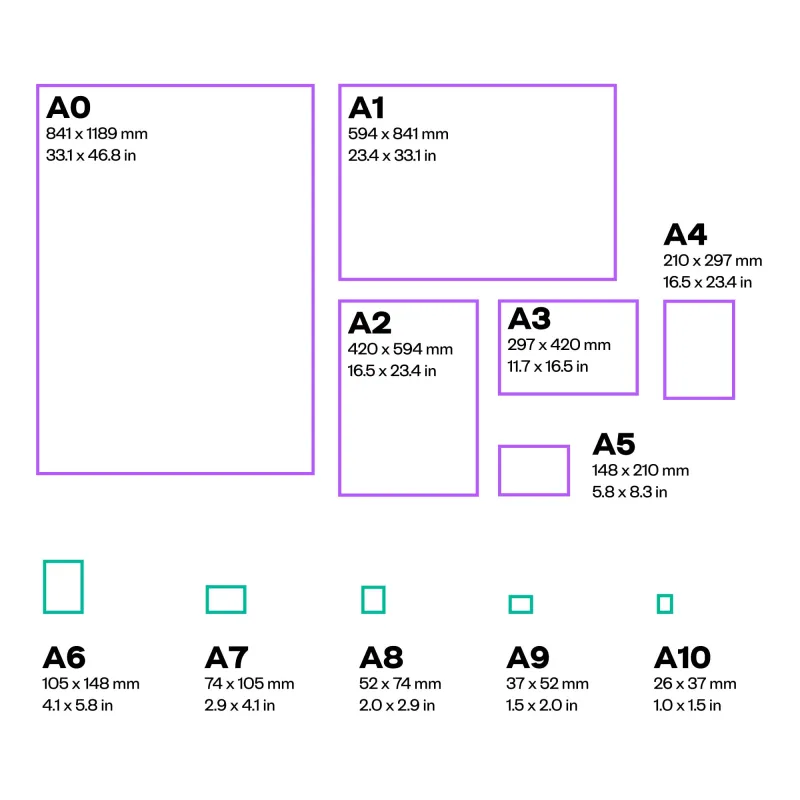
Photo: A4 welcome sheet pinned to a fridge door in a UK kitchen, via www.pixartprinting.es
Moving house is a bit like arriving at a new school halfway through term. You can see the rules being followed, but nobody has handed you the timetable. A one-page welcome sheet won't solve everything, but it can answer the small, nagging questions that make a new road feel foreign: which bin goes out on Tuesday, where the nearest postbox is, whether the bus stop by the green goes into town or away from it.
The idea is simple. One side of A4, kept on the fridge, written by someone who lives nearby. Not a newsletter, not a residents' association manifesto, and definitely not a list of everybody's phone numbers. Just the practical stuff — plus a quiet signal that someone has noticed you've arrived.
Start with the questions people actually ask
New neighbours rarely need a full history of the area. They need the things that come up in the first fortnight. In most streets that means:
- Which day the bins go out, and which bin goes out when.
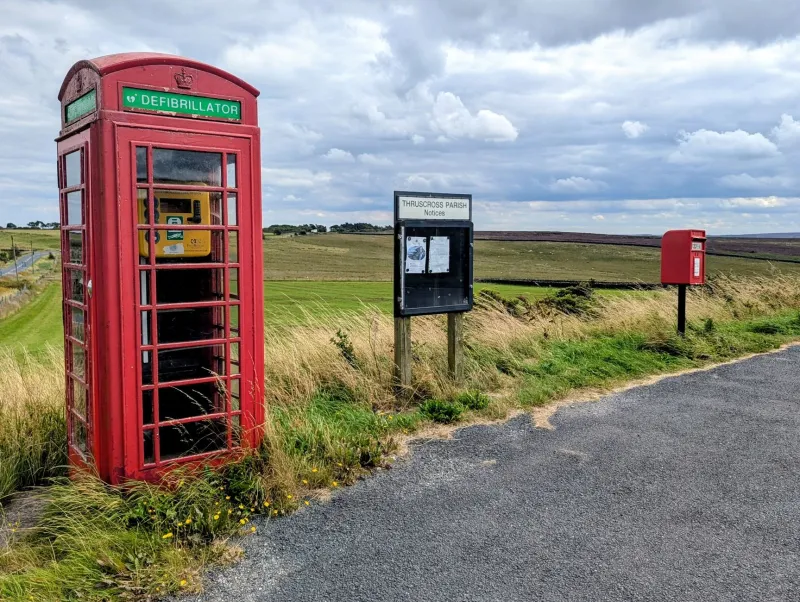
- Where the nearest postbox is, and whether it has a parcel locker.
- The closest bus stop, route numbers and roughly how often the bus runs.
- The corner shop, pharmacy and GP surgery — names and opening hours, not reviews.
- Quiet-hours etiquette, phrased as a friendly norm rather than a rule.
- Parking: permit zone or not, visitor permits, and the one bit of yellow line everyone gets wrong.
- Who to ask about what — but only where that person has agreed to be named.
That's it. A page that tries to cover everything becomes a leaflet nobody reads. A page that covers the first week becomes the one that stays on the fridge.
The ten-minute version
You don't need design software. Open a blank document, set it to A4 portrait, and give it a plain title: 'Welcome to [road name] — a few useful bits'. Add a version date, such as November 2026, so people know it isn't ancient. Then use short bullets under simple headings. Two columns can help, but one column is fine.
Keep sentences short. Write 'Bins: Tuesday, recycling alternate weeks' rather than a paragraph about waste collection. If there's an official council page that explains the details, add the web address in small type. A QR code is handy for some people, but it shouldn't be the only way to find the information.
What to leave off — and why it matters
A welcome sheet works because it is modest. It should not include anyone's full name, phone number, house number or medical details without clear permission. It should not include alarm codes, Wi-Fi passwords, spare-key arrangements or anything that would be embarrassing if it fell out of a recycling box.
It also shouldn't include personal opinions about neighbours, parking disputes or bin-day grudges. The point is to help someone settle in, not to recruit them to a side of an old argument. If you want to include a street contact, use a role rather than a person: 'Bins and recycling: ask at number 14 if the council leaflet has vanished' — and only if number 14 has said yes. Better still, use a generic email address or the residents' group inbox if one exists.
Make it opt-in, not obligatory
Not everyone wants a sheet through the door, and that's fine. Deliver only to households that have just moved in, or leave a small stack somewhere sensible — the corner shop, the library, a community noticeboard — with permission. If someone has a 'no cold calling' sign, respect it. A welcome guide should feel like a helping hand, not a survey.
One useful line at the bottom: 'If you'd like to add anything, or you'd rather not receive this, just tell [first name] at [house number].' That gives people an easy way to opt out without an awkward conversation.
Delivery without the doorbell dread
A plain envelope through the letterbox, marked 'Welcome — no reply needed', is often enough. Avoid late evenings. If you do knock, keep it brief and friendly: 'Just dropping off a little road guide — no need to do anything.' Then go. The sheet is the message; the doorstep chat is optional.
If you include your own name, use your first name only and only if you're comfortable. A line like 'I'm the one with the blue door and the noisy kettle' is more welcoming than a full contact card. The aim is to be findable, not to become the street's unofficial administrator.
Keep it alive without making a job of it
Bus timetables change. Bin days move around bank holidays. A guide dated November 2026 will still be useful in 2027, but someone needs to check it once in a while. A simple version line — 'Checked November 2026; next check spring 2027' — tells readers how much to trust it.
If your road has a residents' group or a community noticeboard, keep an editable copy there. But avoid turning the sheet into a shared document that everyone edits at once. One or two people should be responsible for the final version. Otherwise the quiet-hours section becomes a debate about hedge trimmers.
A template you can copy
Use this as a starting point, then trim it to fit one side of A4:
- Bins: [day]. Recycling: [day/week]. Council bin checker: [short web address].
- Postbox: [location]. Last collection: [time, if known].
- Bus: [stop name], routes [numbers]. Roughly every [minutes] at peak times.
- Shop and pharmacy: [names], opening hours [times].
- Quiet hours: Most of us keep DIY and loud garden jobs to [times]. If in doubt, a quick word works wonders.
- Parking: [permit zone / no permit / visitor permits from council]. Check signs before assuming.
- Street contact: [role or first name, opt-in only].
- Report it: [council website] for potholes, fly-tips and streetlights.
- Welcome: [your first name, optional]. No need to call — just say hello if you see me.
The best welcome isn't a dossier. It's a sheet that answers the small questions so a new household can get on with settling in. Ten minutes of local knowledge, one side of A4, and a place on the fridge — that's a neighbourhood welcome most of us would be glad to find.