Tiny Custodians: How to Give a Forgotten Street Fixture a Useful Second Life in 2026
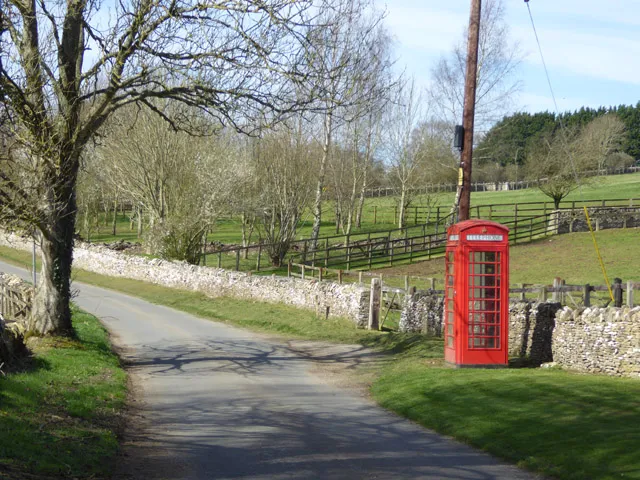
Photo: Robin Webster , CC BY-SA 2.0, via Wikimedia Commons
Every neighbourhood has one. The phone box with a broken pane and a puddle of old leaves. The planter that has become a bin by default. The noticeboard where the only current information is a faded advert for a car boot sale from three summers ago. We walk past these little fixtures every day, and most of us do nothing. But in 2026, a growing number of street groups, parishes and ordinary residents are taking on something small and making it work harder.
This is not about grand civic projects. It is about tiny public stewardship: adopting one modest asset, keeping it safe, and giving it a useful second life. Done well, it is one of the most satisfying forms of local action. Done badly, it is a fast route to volunteer burnout and a tense email chain with the council. So here is the friendly version of the manual.
Start with something small enough to love
The best candidates are visible, useful and not essential to public safety. A decommissioned phone box is the classic. Others include a raised planter, a bench, a small notice point, a community garden bed, or a piece of wall space that could hold a local information case.
Avoid anything that carries serious risk: electrical equipment, play equipment, structural walls, drainage, street lighting or anything that could block a pavement. The ideal asset is something you could check in ten minutes on a Saturday morning and improve with a lick of paint and a fresh set of notices.
A good test is this: if your group vanished tomorrow, would the asset be annoying but not dangerous? If yes, it is probably a sensible place to start.
First question: who actually owns it?
This is the step people skip, and it is the one that saves the most grief. A phone box may look abandoned, but it is still somebody's property. A planter may belong to the council, a housing association, a business improvement district or a private landlord. A noticeboard might be the parish council's, the church's, or nobody's in any clear sense at all.
Start with the parish or town council. Ask whether the asset appears on the council's asset register and who is responsible for maintenance. For phone boxes, BT runs an Adopt a Kiosk scheme that has been used by communities across the UK for years; the boxes have become mini libraries, defibrillator housings, art galleries and simple shelters. If the box is listed or in a conservation area, check before you drill, paint or alter anything.
For planters and notice points, the local authority's estates or parks team is often the right first call. If the asset sits on housing land, ask the landlord. If nobody knows, a quick Land Registry check can help, though it is not always conclusive. The aim is not to become a property lawyer. It is simply to find the person who can say yes.
Make an approach that sounds like help, not a takeover
Councils and owners are more receptive when you arrive with a one-page plan rather than a vague offer. Say what you want to do, how often you will do it, who is responsible, and how you will keep it safe. Offer a trial period of six or twelve months. Make clear that you are not asking for a permanent transfer of responsibility or a budget the size of a small bypass.
Useful things to put in your proposal:
- the asset you want to adopt
- a simple description of the proposed use
- a named contact and a small volunteer rota
- how you will handle litter, planting, repairs and notices
- your insurance position
- a review date and an exit plan
That last point matters. A good steward knows how to stop. If the group loses interest, the asset should not be left half-painted with a rota that has quietly died. Build in a review, and be honest if it is not working.
The insurance bit, and the bits you should not touch
Insurance sounds dull because it is dull. But it is also the difference between a cheerful community project and a nasty surprise. Ask the council or owner what public liability cover already applies. Many councils have a process for community groups using or maintaining public land, and some ask you to add them as an interested party on your own policy.
Do not take on structural work, electrical work, gas work or anything involving water and drainage. Do not remove original features from a listed phone box. Do not attach heavy objects to a wall without permission. Do not plant thorny, toxic or invasive species where children and dogs pass every day. Keep walkways clear. Secure lids, fixings and notice cases. If a job needs a qualified trade, budget for one or leave it alone.
A simple risk assessment is not bureaucracy for its own sake. It is a short note that says what could go wrong and what you have done about it. Keep it with your proposal. It makes conversations with owners much easier.
Upkeep without burnout
Tiny stewardship works best when it is genuinely tiny. A rota of four people doing one Saturday morning a month is more sustainable than one enthusiastic person doing everything until they collapse. Keep a small kit: gloves, litter pickers, a stiff brush, secateurs, a watering can and a box of weatherproof notice sleeves. Store it somewhere sensible and tell everyone where it lives.
Plant for the conditions, not for a magazine spread. Lavender, herbs, hardy geraniums and spring bulbs are forgiving. If the planter is in deep shade and full of rubble, choose something that tolerates deep shade and rubble. Watering is the usual enthusiasm-killer in summer, so agree who does it before the first dry week.
For notice points, less is more. A clean case with six current items beats a collage of faded flyers. Put a date on everything. Give local groups a simple way to submit notices, and clear them out on the same day each month.
What good looks like
Across the UK, the phone box library is the best-known example: a box with shelves, a few books, a sign saying take one and leave one. Other groups have turned boxes into tiny food pantries, seed swaps or defibrillator points. Planters have become herb beds, pollinator patches and informal meeting spots. Notice points have become the place where the street actually finds out what is happening.
The common thread is not money. It is consistency. A small asset that is checked, cleaned and kept current tells everyone who passes that somebody is paying attention. That is a quiet kind of neighbourhood confidence.
So if you have been eyeing the sad phone box on the corner, start with a question rather than a paintbrush. Find the owner, write a short plan, ask about insurance, and pick one modest job you can genuinely keep doing. In 2026, a tiny piece of public stewardship might be the most useful thing you do for your postcode.