Shelter, Seats and Signals: A Ten-Minute Bus Stop MOT for Winter 2026
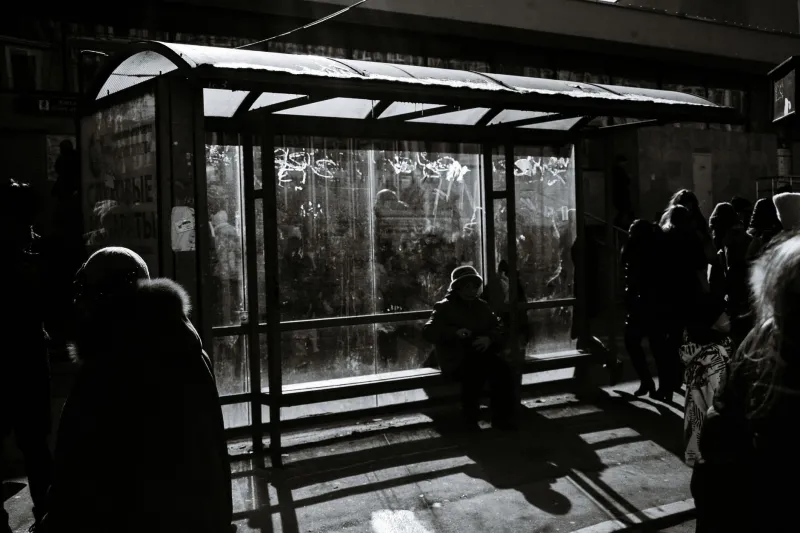
Winter timetables are about to shuffle the rhythm of the high street, and for anyone without a car the bus stop becomes a small but important piece of public space. Not a grand civic square, admittedly. More a pole, a pane of glass and a hopeful expression. But when the wind is doing its worst and the 08:12 is running late, the difference between a decent stop and a dismal one is felt in the shoulders, the knees and the mood.
So here is a neighbourly exercise for a spare ten minutes: give your usual stop a score. Not to name and shame, and not to turn into a bus-stop inspector with a clipboard and a thermos. Think of it as a gentle MOT before the 2026 winter timetable settles in. You will end up with a clearer picture of what works, what needs reporting, and what a small group of neighbours might reasonably improve.
Why bother scoring a bus stop?
Because waiting places are used by people who often have the least room for hassle. Parents with buggies, older neighbours, wheelchair users, shift workers, teenagers heading to college, anyone carrying shopping. A stop that lacks a seat or a working light is not a minor design quirk. It changes who can use the bus comfortably, and sometimes who can use it at all.
A score also gives you something useful to say. Councils and operators deal with plenty of vague grumbles. A clear note saying the timetable case is cracked, the light has been out for three weeks and the stop name is missing from the flag is far easier to act on.
The ten-minute scorecard
Give each line a score of 0, 1 or 2. Zero means missing or poor. One means present but flawed. Two means genuinely good. Total out of 20.
- Shelter. Can two or three people stand out of the rain without inhaling each other's coats? Is the roof intact, or does it channel water down your neck?
- Seating. Is there a perch at a sensible height? Is it clean, undamaged and actually under the shelter?
- Lighting. Would you feel comfortable waiting here after dark? Is the light working, well placed and not flickering like a horror film?
- Timetable clarity. Is the current timetable displayed, legible and dated? Can you tell which direction you are facing without guessing?
- Real-time information. If there is a digital display, is it working? If not, is there a clear phone number or QR route to live updates?
- Accessibility. Is the pavement wide enough for a wheelchair or buggy? Is the kerb dropped? Is the stop free of steps, mud or a slalom of bins?
- Visibility and personal safety. Is the stop overlooked by nearby homes or shops? Can you see and be seen? Are there obvious blind spots or overgrown hedges?
- Surface and drainage. Is there a puddle the size of a paddling pool? Is the ground uneven, icy or littered with broken glass?
- Cleanliness. Is there a bin, and is it usable? Are there signs of neglect that make the stop feel abandoned?
- Reporting information. Is there a stop name, location code or operator contact detail? If something is wrong, can you tell who to tell?
A score above 15 is a keeper. Somewhere around 10 suggests a stop that works on a dry Tuesday but lets people down in bad weather. Under 8 is a prompt to report the basics and perhaps raise the bigger picture with your local councillor.
What the score is really telling you
Do not get hung up on the exact number. The useful bit is the pattern. If lighting and visibility score low, that is a safety conversation. If shelter and seating fail, it is a comfort and accessibility issue. If the timetable is outdated, that is a quick win: operators and councils usually want current information displayed.
Take a photo of the stop from both directions. Note the stop name, the road, the nearest landmark and the route numbers. A timestamped photo of a broken light or a flooded waiting area is worth more than a paragraph of frustration.
How to report faults without a wild goose chase
Start with the operator if the issue is the bus itself, the timetable display or the stop flag. Most large operators have an online form and a stop-specific contact route. If the problem is the shelter, lighting, pavement, bin or drainage, your local council is usually the right port of call. Many councils have a highways or transport fault form online, and some areas use services such as FixMyStreet.
Be specific but not sweary. "Stop code 0100ABC123, northbound, light not working since early November, dark at 16:30" is gold. Ask for a reference number if you can. If the fault is an immediate danger, such as a damaged shelter panel or exposed wiring, report it by phone and keep people away from it.
Asking for something better
If your stop scores poorly across several categories, a single fault report may not cut it. That is when a short, calm email to your local councillor or transport authority helps. Mention how many people use the stop, what the practical problem is, and what a reasonable fix would look like. A bench, a working light, a clear timetable case, a dropped kerb. Specific asks travel further than general despair.
Bus user groups and local disability groups often have useful knowledge about what has already been requested. If there is a consultation about bus services or transport in your area, it is worth a few minutes. Winter timetables are a good moment to point out that waiting places are part of the service, not an afterthought.
Small neighbourly touches
You do not need permission to be a good neighbour, though you do need common sense. Photograph the timetable and share it in the street WhatsApp group. Pick up litter if it is safe to do so. Ask a nearby shop if they would display a route map. Offer to check the stop with a neighbour who uses it more often than you. If you notice someone struggling with the kerb or the dark, mention it rather than assuming someone else has.
What you should not do is paint, drill, tie things to the shelter or rearrange the furniture. Leave the infrastructure to the people who maintain it. The aim is a stop that feels cared for, not a DIY project with zip ties.
A bus stop is a small public room with no walls and a very public guest list. A ten-minute check is a modest way to make sure it is ready for winter. And if the 08:12 is late, at least you can be late in comfort.