One Afternoon, One Closed Road: A Low-Stress Street Party Playbook for 2026
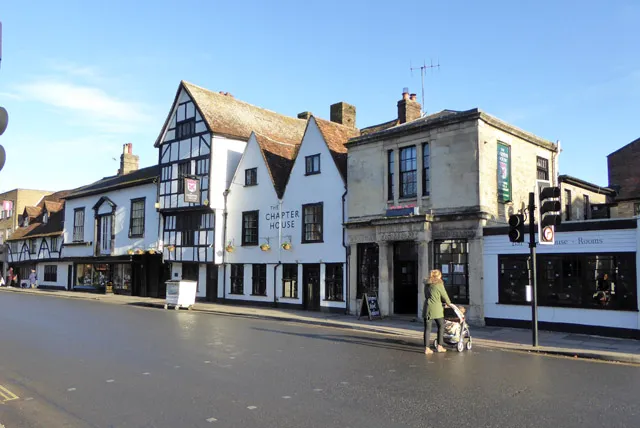
Photo: Robin Webster , CC BY-SA 2.0, via Wikimedia Commons
There’s a particular kind of street party that starts with a WhatsApp group called Party Planning Committee and ends with someone resigning over the nibbles budget. This guide is the opposite. The aim is not a perfect event. It’s an afternoon where people who usually manage a nod at the bins actually talk to each other.
A closed road can become a temporary village green for a few hours. You don’t need a stage, a sound system or matching bunting. You need a date, a few willing neighbours and a sensible grip on the paperwork. Here’s how to keep it low-fuss in 2026.
Start with a street, not a committee
Find two or three people who are happy to share the load, then name one person as the council contact. That’s it. A formal committee is not required for a simple afternoon on a residential road, and it can make everything feel heavier than it needs to be.
Pick a Saturday or Sunday afternoon, ideally not bin day, not the first day of half-term and not clashing with a major local event. Check whether anyone on the street has a wedding, a hospital appointment or a shift pattern that makes the date awkward. A quick paper note through every door will catch people who aren’t in the group chat.
The paperwork bit — smaller than you think
For a road closure, start with your council’s website and search for street party or community road closure guidance. Many UK councils publish a simple pack with the form, the deadline and the signs you may need. Some require a Temporary Traffic Regulation Order; others use a lighter process for residents’ street parties. Ask early. Six to eight weeks is a reasonable starting point, and some councils need more.
You may be asked for a map, the closure times, a diversion route and evidence that residents have been consulted. Keep it simple: close only the stretch you need, keep the time tight and make sure emergency access is possible. Ask about fees before you assume there aren’t any. Save every email in one folder so you’re not hunting for it later.
Insurance is the next question. Many councils ask for public liability cover, often around £5 million or £10 million. Check whether an existing residents’ association policy covers you, or whether your household insurance offers event cover. If not, a one-off policy for a small community gathering is usually straightforward. If you’re adding bouncy castles, stalls selling food or anything motorised, the insurance conversation changes — so either check properly or keep the event simpler.
Invite everyone before you decorate
A street party works best when it reaches beyond the usual group chat. Put a paper invitation through every door, including the flats, the rental properties and the houses where people keep themselves to themselves. Include the time, the rough plan, what to bring and who to contact.
Ask about access needs early. Is there someone who needs a lift? A quiet corner? Shade? A step-free route? Are there children who need to know where the adults will Be? Mention that well-behaved dogs are welcome or not, and say clearly whether alcohol is part of the afternoon. A no-pressure note helps: come for ten minutes or stay all afternoon.
Food is where inclusiveness often slips. Ask people to label dishes with allergens, provide non-alcoholic drinks and don’t make a fuss if someone brings shop-bought sausage rolls. The point is a shared table, not a cookery competition.
Food, chairs and borrowed tables
A bring-and-share table is the easiest format. Suggest a rough split by house number — savoury for odds, sweet for evens, for example — but don’t police it. Keep hot food hot and cold food cold, use serving spoons and ask people to label what they’ve made. If anyone is selling food rather than sharing it, check the council’s food hygiene guidance first.
Borrow what you can. Folding tables, cool boxes, water dispensers and extra chairs often live within a few houses. A local community hall may lend tables for a small deposit, though it’s worth asking early. Chalk for the pavement, bubbles for the kids and a couple of bin bags will do more for the atmosphere than a fancy backdrop.
The afternoon itself: loose, not chaotic
Keep one or two gentle anchors rather than a full schedule. A chalk drawing area, a skipping rope, a playlist and a shared free table for spare plants or books are enough. Name stickers help people who recognise faces but have lost the names.
Have one person responsible for the road signs and one basic first-aid kit. Know where the nearest defibrillator is, just in case. Keep a paper list of key contacts. If the weather turns, don’t cancel over drizzle — put up gazebos, shorten the event or move the food inside a willing hallway. British weather is not a personal insult.
Clearing up and keeping the goodwill
When it’s over, do a ten-minute litter pick, return borrowed chairs and thank the council contact who handled the form. Send a short thank-you note through the doors. Then jot down three things: what worked, what you’d change and who has the paperwork for next time.
The real win isn’t perfect bunting. It’s the neighbour who now knows your name, the older resident who got an afternoon out, and the small crew of people who might organise a repair morning or a winter coffee meet-up later in the year. Close the road for an afternoon, and you open something much more useful than a car park.