When the World Turns the Volume Down: A Neighbour's Guide to Quiet Hours
Photo: Albert Chevallier Tayler, Public domain, via Wikimedia Commons
There is a particular kind of tiredness that comes from a busy shop on a Saturday. The lights are bright, the music is loud, the tannoy interrupts itself, and the person behind you is standing very close to your shoulder. For many people, that is merely annoying. For others, it is the reason they stay home.
Quiet hours are the neighbourhood's answer. They are short, scheduled windows when a venue turns the volume down, dims the lights a little, pauses the announcements and gives people room to move. They are not just for one group. They help autistic people, people with dementia, anxious shoppers, older readers, carers with small children, and anyone who finds a crowded Saturday a lot.
What a quiet hour is, and what it is not
A quiet hour is not a closed shop. It is usually a normal opening with adjustments: no music or lower music, no tannoy announcements, softer lighting, and sometimes a slower checkout. Some venues call it a relaxed session, an autism-friendly hour or a low-sensory morning. The name matters less than the details. A cinema may show a film with the lights slightly up and the sound slightly down, and allow people to move around. A swimming pool may offer a lane with no whistles or music. A library may simply keep the children's area quiet for an hour.
It is not a guarantee of silence. A quiet hour can still have a crying baby, a dropped tin or a fire alarm. What it offers is a lower baseline: fewer surprises, less noise and staff who know why they are there.
Who quiet hours help
Think of the neighbour who has stopped going to the big supermarket because the self-checkout beeps feel like a personal attack. Think of the carer who can manage a museum visit if there is somewhere to sit and no crowd pushing past. Think of the older reader who loves the library but avoids rhyme time because the echo is too much. Quiet hours are a practical form of neighbourliness. They say: we have room for you, and we have arranged the room so you can use it.
They are also good for people who do not identify with any label. A quiet hour at the cinema is a comfortable way to see a film without a full house. A low-crowd session at a garden centre is easier for anyone with a buggy or a walking stick.
Where to look
Libraries are the natural starting point. Many run sensory-friendly story times, quiet afternoons or home-education sessions. Ask at the desk, check the events board and look at the library's social media page. Supermarkets are catching up. Some large stores run a weekly quiet hour, often in the morning before the weekend rush, with dimmed lights and no music. Cinemas have offered autism-friendly screenings for years, usually on a Sunday morning, with the sound lowered and the lights left on low. Swimming pools may have a quiet swim or a family session with no music and fewer floats. Local attractions, from museums to soft play centres, increasingly run early-opening sessions for people who need a calmer start.
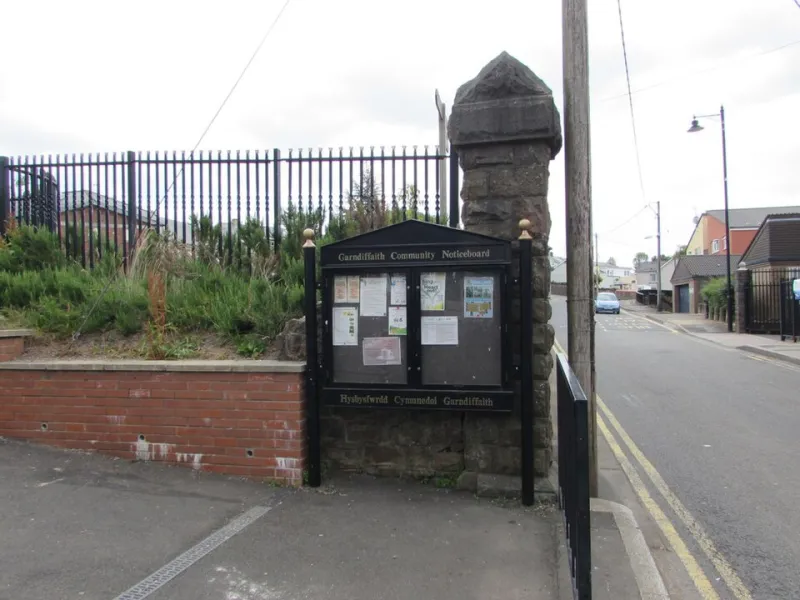
Your Centre's community pages and the neighbourhood noticeboard are useful for the smaller venues that do not advertise widely. A church hall, a garden centre cafe or a local craft shop may run a quiet craft morning without calling it a quiet hour.
How to check before you go
Check the venue's own website first, but do not stop there. Quiet hours change with staff and seasons. Ring the venue and ask three things: what time is the quiet session, what exactly changes, and is it still running this week? Ask whether the cafe is open, whether the car park is busy and whether there is a quiet space to sit if it all gets too much. If you are booking online, look for a relaxed or accessible performance label. If the listing is vague, ring and ask.
Social media is often more up to date than a printed leaflet. A local parent or carer may have posted about a session that the venue has not updated. Facebook groups, local disability forums and library newsletters are good sources. If you find an old listing for a quiet hour that no longer exists, tell the venue. They may not know their own page is out of date.
Asking a venue to do more
A polite request works better than a complaint. Most managers have never been asked directly, and many will try a trial session if they think people will come. Keep it specific and easy to say yes to. Here is a simple template you can adapt.
Hello. I am a local resident and I am writing to ask whether [venue name] would consider running a quiet hour. I know several people who find the music, tannoy and crowds difficult, including autistic adults, older shoppers and carers. A weekly or monthly session with lower music, no tannoy announcements and slightly dimmed lights would make a real difference. I would be happy to help publicise it through local groups. Would you be open to a short trial on a weekday morning? Thank you for reading.
If you are asking a cinema, mention the autism-friendly screening model. If you are asking a supermarket, suggest the first hour on a Tuesday or Wednesday. If you are asking a library, offer to help promote it. Venues worry about empty rooms. Showing them there is demand is half the battle.
Make your own low-crowd map
You do not need an official scheme to be neighbourly. Start a simple list of the quiet times you already know: the library on a Thursday afternoon, the pool before school, the big shop at 8am on a Sunday, the museum's first hour. Share it in a local group or on the noticeboard. Ask others to add to it. A hand-drawn map on the back of an envelope can be more useful than a glossy leaflet.
Quiet hours are not a luxury. They are a small adjustment that lets more people take part in ordinary local life. If your neighbourhood does not have one yet, you now know where to start asking. And if you find one, tell someone. The best quiet hours are the ones people actually know about.