Clipboards, Hi-Vis and a Calmer Kerb: Running a Friendly Speedwatch on Your Road in 2026
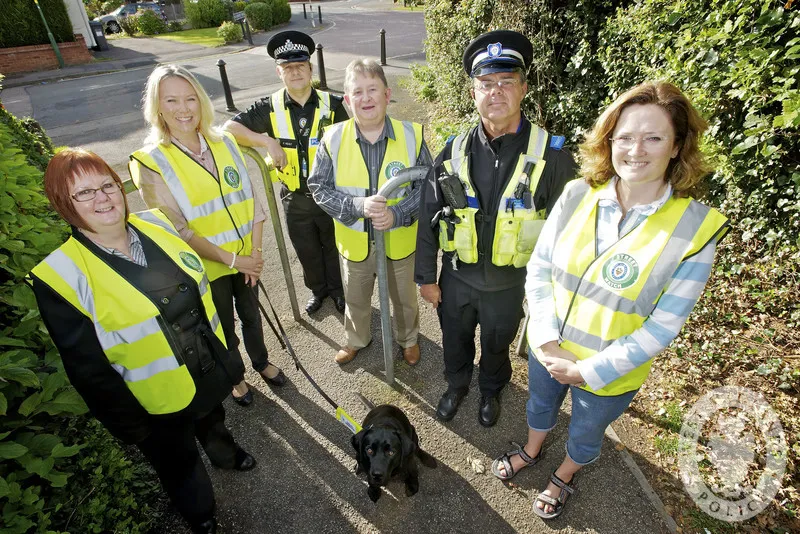
Photo: West Midlands Police from West Midlands, United Kingdom, CC BY-SA 2.0, via Wikimedia Commons
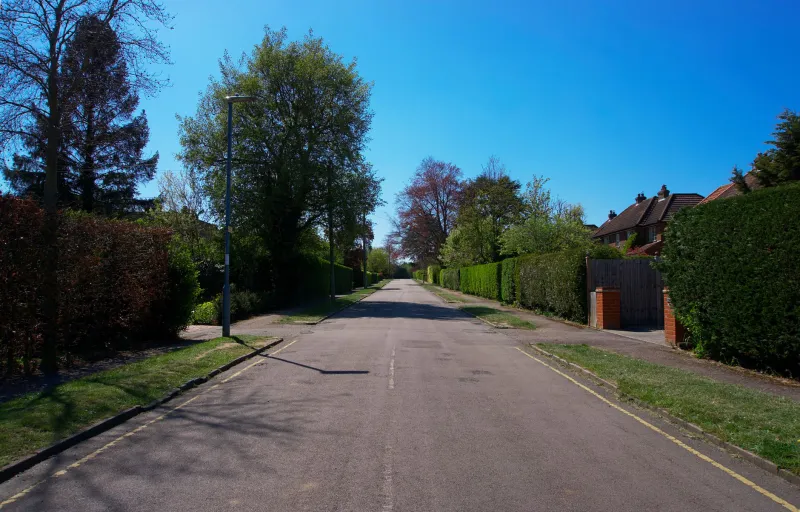
It is 7.40am on a residential road, and two people in hi-vis are standing on the pavement with a clipboard and a speed detection device. It can look a bit official from a distance. It is not a sting. It is Community Speedwatch: a volunteer-led, police-supported way for neighbours to record how fast traffic is actually moving and pass that information on.
The appeal is easy to understand. Most of us have stood at a kerb, watched a car come round the bend and thought, 'That was too quick.' Speedwatch turns that feeling into something more useful than a grumble in the group chat. But it works best when it is done gently, with the right expectations and a bit of organisation. Here is what a friendly scheme looks like on the ground.
What it is, and what it is not
Community Speedwatch is not enforcement. Volunteers do not issue fines, hand out points or have the power to stop drivers. They record speeds at approved locations, usually in daylight and usually in pairs, and the data is passed to the police or the local scheme coordinator. Depending on the force area, registered keepers may receive a warning letter. The point is awareness, not punishment.
That distinction matters. A Speedwatch team that sees itself as a mini police force will quickly become tense and unpopular. A team that sees itself as a friendly pair of extra eyes can do something quietly valuable: it creates a record, starts conversations and gives the council and police real numbers to work with.
Start with a conversation, not a complaint
The temptation is to turn up at a meeting with a petition and a list of number plates. Resist that. Start by asking your neighbourhood policing team whether Community Speedwatch is active in your area and what their requirements are. Different forces run the scheme slightly differently, so it is worth checking before you buy a clipboard.
Your local council's road safety team is the other useful first call. They can tell you whether the road has known concerns, what traffic calming has already been considered and whether there is a parish or town council route worth using. A local councillor can also help join the dots. The aim is not to demand action immediately, but to find out what evidence would actually be useful.
The kit, the rota and the reality
The kit is usually modest: hi-vis tabards, a speed detection device approved for the scheme, a clipboard or tablet, and a way to record time, location, weather and speeds. Training is normally required, and there is often a risk assessment and a site approval process. Insurance and data protection arrangements should come through the scheme, but ask about them plainly so nobody is guessing.
On the rota, small is good. Four to six committed people can keep a couple of short sessions going each month. Pairs work best. Sessions of 30 to 60 minutes are usually plenty, especially in winter. Never step into the road, never signal to drivers and never chase a conversation with someone who is annoyed. Volunteers are there to observe and record, not to argue at the kerb.
A simple shared calendar or group chat helps. One person can coordinate permissions and equipment, another can manage the rota, and someone else can look after the data. It is worth asking people what they can realistically do rather than assuming everyone wants to stand in the cold. Some neighbours would rather make tea, update the noticeboard or handle the emails. That still counts.
What the numbers can and cannot do
Good data can show a pattern. It can support a case for a 20mph limit, a crossing, a school street, a pavement widening or a traffic calming review. It can give the police a clearer picture of when and where concerns cluster. It can also surprise everyone: sometimes the majority of drivers are fine, and the issue is a small number at particular times.
What it cannot do is replace engineering or policing. A Speedwatch session will not redesign a junction, fix a blind bend or make a rat-run disappear. It will not catch every speeding driver, and it should not be used to name and shame people online. If the road has a serious structural problem, the data is one part of the conversation, not the whole answer.
Recruiting the willing handful
Look beyond the loudest voices. The best volunteers are often the people who already walk the school route, use the corner shop, dog-walk at the same time each morning or sit on the village hall committee. Ask at the school gate, the noticeboard, the faith group, the book club and the coffee morning. Be clear that this is not a vigilante squad and that the tone will stay helpful.
It also helps to give people a specific ask. 'Could you do one session a month?' is easier to answer than 'Would you like to help with traffic?' And keep the social side going. A short session followed by a flask and a chat is more sustainable than a lonely hour with a clipboard.
Raising it properly with the council and police
When you have a few sessions under your belt, share the findings clearly. Contact the neighbourhood policing team and the council's road safety or highways team with dates, times, locations and speed ranges. Say what you have observed and what you are asking for, whether that is a review, a site visit, more enforcement or a longer-term look at the road. Keep number plates out of public posts and avoid naming individual drivers.
If the response is slow, ask what the next step is and who owns it. A polite follow-up with a short summary is more effective than a long thread of frustration. Your Centre's local noticeboard can be a good place to share the fact that a scheme exists, but the detailed data should go through the proper channels.
Keeping it neighbourly
The best Speedwatch groups have a light touch. They smile, they explain if asked, and they do not treat every passing car as a personal insult. They recognise that most people are trying to get to work, school or the shops. The message is simply that this road is a place where people live, walk and cross, and it is worth driving accordingly.
So is it worth a morning? If you can gather a willing handful, keep the sessions short and use the numbers sensibly, yes. It will not solve everything. It might just make your kerb a little calmer, and your next conversation with the council a little more concrete.