Drills, Darns and Deals: Your 2026 Guide to Neighbourhood Borrowing and Repair
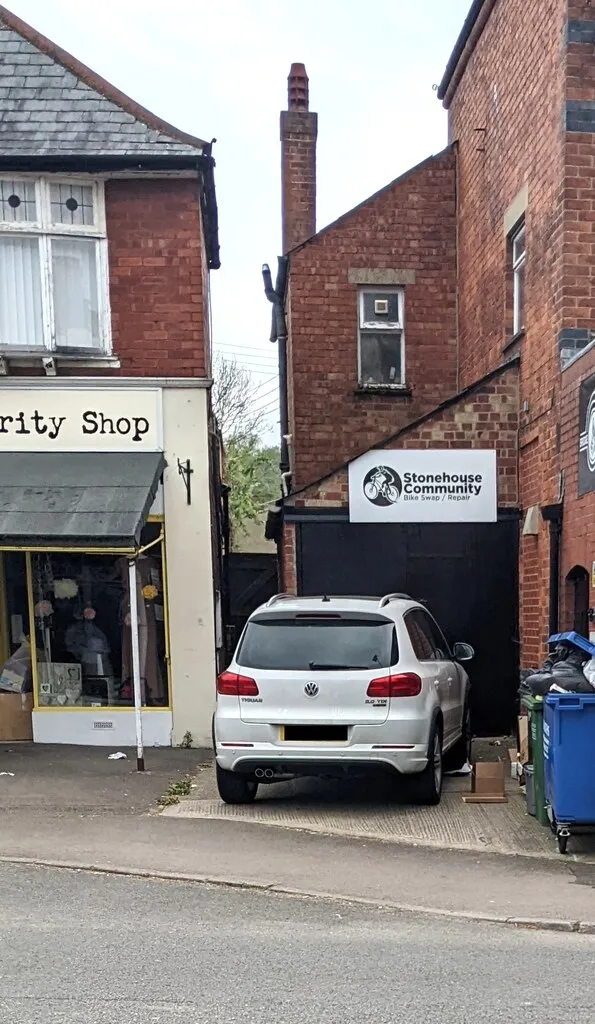
Photo: Jaggery , CC BY-SA 2.0, via Wikimedia Commons
Most of us have a cupboard like it: the drill with one bit, the sewing machine that has not seen daylight since a school project, the bike pump that fits nothing you own. Buying new is easy. Storing, maintaining and eventually binning the stuff is the tiresome part. That is the gap that tool libraries, borrowing schemes and repair cafés are quietly filling in neighbourhoods across the UK in 2026.
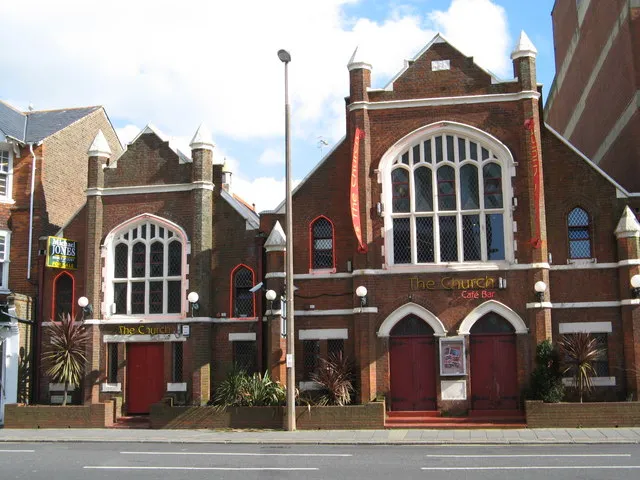
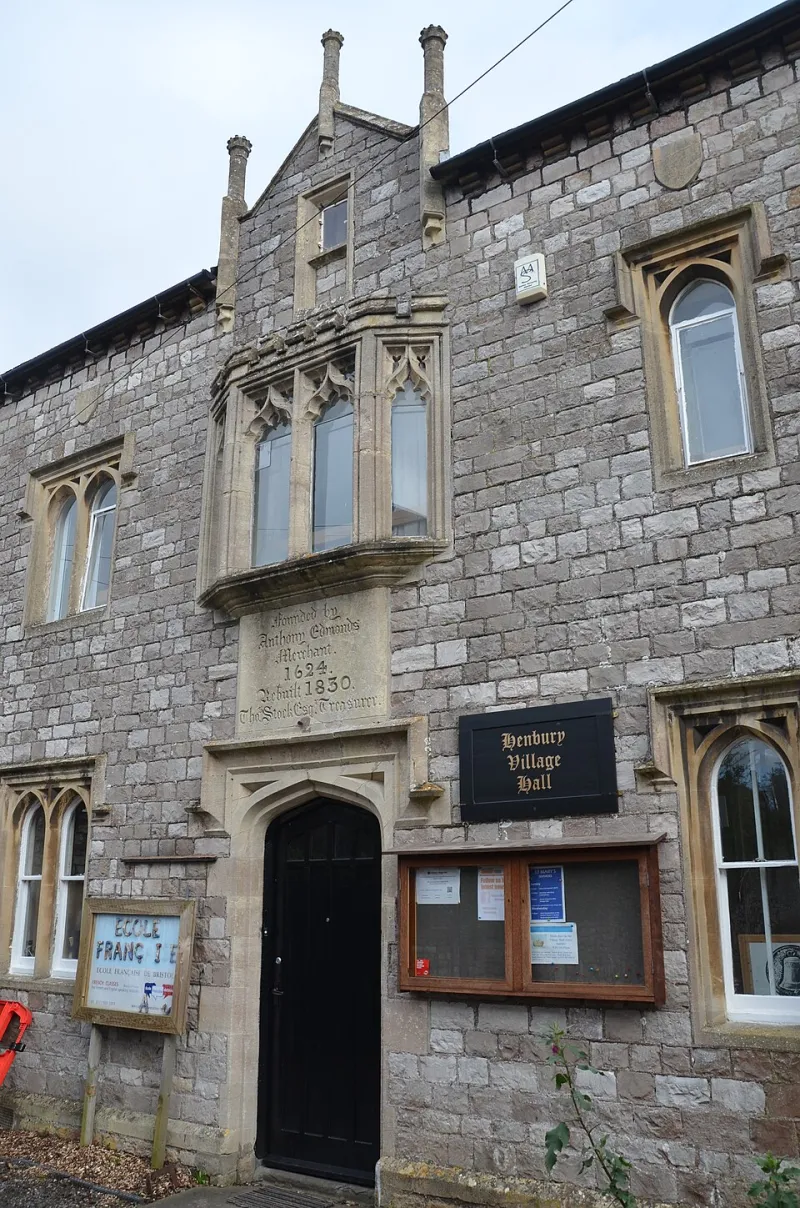
They are not a new idea. Repair cafés have been running since the late 2000s, and the first one opened in Amsterdam in 2009. What has changed is the local variety: a shelf of tools in a library, a monthly mending table in a church hall, a cupboard of cake tins and camping kit in a community centre. The principle is simple. Share what sits idle. Fix what still has life in it. Learn from the person beside you.
Borrowing, not buying
A tool library works like a book library, except the stock is a jigsaw, a steamer, a hedge trimmer or a set of cake tins. Some are run by councils or libraries. Others are independent, volunteer-led or attached to a repair café. You may pay a small annual membership, a deposit or nothing at all. The best ones have a clear catalogue, a booking system and a person who can show you how to use the item safely.
Borrowing schemes can be even simpler: a neighbourhood cupboard with a list on the door, or a WhatsApp group where one person asks to borrow a ladder and another says yes. The formal ones tend to carry insurance and keep records. The informal ones rely on goodwill and a clear return date.
What a repair café actually feels like
Forget the image of a dusty workshop. A repair café is usually a hall with tables, tea, a queue of people holding kettles and radios, and volunteers who like taking things apart. You bring a broken item. A volunteer looks at it with you. If it can be fixed, you may be encouraged to do some of the work yourself. If it cannot, you will usually be told why, and what to do next.
It is not a free repair shop. It is a learning space with a practical purpose. Many repair cafés ask for a small donation, and some cannot help with certain items for safety reasons. Microwaves, for example, store dangerous charge even when unplugged. Anything that needs specialist gas work or major electrical testing may be politely declined.
Your first visit: what to expect
Go early if you can. Repair cafés often have a rush in the first hour. Bring the item, any cables or accessories it needs, and a note of what goes wrong. If it is electrical, check whether the venue tests appliances. If it is a garment, bring the buttons or zip pull you want replaced. If it is a bike, ask whether they can handle brakes and gears or only punctures.
Expect to wait, expect to chat and expect to learn. The volunteer may ask you to hold a torch, turn a screwdriver or read a manual. That is part of the deal. You are not dropping off a parcel. You are joining a small, temporary workshop where the person next to you might be mending a toaster while you wrestle with a hem.
The practical bits: membership, insurance and safety
Ask three questions before you borrow or book. What does membership cost, and what does it cover? What happens if an item breaks or injures someone? Who checks the tools are safe? A well-run scheme will have public liability insurance, a borrower agreement and a simple process for reporting faults. Electrical items should be visually checked and, where needed, PAT tested. Tools should come with basic instructions, not just a friendly handover.
For repair sessions, insurance usually covers the volunteer activity, not a guarantee that your item will be fixed. You may be asked to sign a form saying you understand the risks. That is normal. It is also a good moment to ask what the volunteers can and cannot work on. A clear triage list saves everyone time.
Triage: is it worth fixing?
Before you haul a broken item across town, try a few simple checks. Does it power on with a known working cable? Is it still under warranty? Are parts available at a sensible price? Is the fault likely to be a fuse, a loose connection or a worn belt? If the answer is yes, a repair café may be able to help. If the casing is cracked, the item is very old, or the fault involves mains electrics beyond a simple plug, ask first.
A good repair café will triage at the door. They may ask you to book a slot, or they may run a first-come, first-served table. Either way, bring the whole item, not just the part you think is broken. The fault is rarely where you expect it.
Finding one near you
Start with your local library, community centre or council website. Search for tool library, library of things, repair café and borrowing scheme, plus your town or postcode. Check the neighbourhood noticeboard in the supermarket, the church hall and the leisure centre. Ask in the local repair shop or bike workshop; they often know who is running a session nearby.
Your Centre's own community pages are a good place to look for the smaller schemes that do not always show up in a search engine. The best ones are often advertised by a poster with a tear-off phone number.
Starter checklist: a lending cupboard or monthly repair session
- Pick a small, useful stock. A drill, a ladder, a sewing machine, a toolkit, cake tins and a folding table will serve more people than a random shelf of oddments.
- Find a host. A library, community centre, church hall or shop with a spare corner gives you legitimacy and footfall.
- Write the rules plainly. Loan length, deposit, cleaning, late returns and what happens if something breaks.
- Insure and test. Ask the host what their public liability cover includes. Get electrical items checked. Keep a simple log.
- Recruit two or three volunteers. One person cannot run a repair café alone. A greeter, a fixer and a tea-maker is a good start.
- Set a regular date. Monthly is easier to remember than occasionally. Put it on the same day each month.
- Start small and tell people. A poster, a local Facebook group post and a note in the library window will do more than a glossy website.
The point is not to build a perfect service. It is to make the neighbourhood a little more useful to itself. A shared drill and a repaired kettle will not change the world, but they do make a Tuesday easier.