Could You Walk It? Scoring Your Own Street on the Everyday Essentials
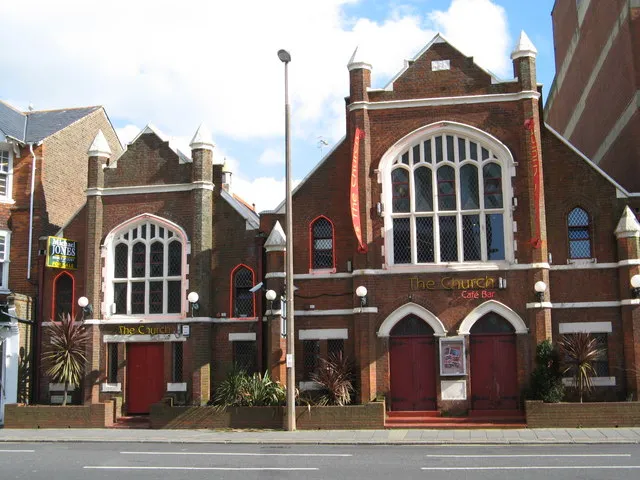
Photo: Josie Campbell , CC BY-SA 2.0, via Wikimedia Commons
There's a game you can play on any street in the UK, and it takes about ten minutes. Stand outside your front door and ask, honestly: could I get through an ordinary Tuesday without getting in a car?
Not a heroic car-free lifestyle. Not the smug version with a wicker basket. Just bread, a prescription, a bus, somewhere to sit and a bit of grass for the kids. The 15-minute neighbourhood idea — the planning shorthand for having what you need within a short walk — has been argued over in council chambers and conference halls for years. Down at street level it's much simpler than that. It's a list.
So here's a list. Score your own corner of the country.
First, decide what your neighbourhood is
Be generous but not delusional. A 15-minute walk is roughly three-quarters of a mile, less if you're carrying shopping, pushing a buggy, using a stick, or it's raining sideways in February. If you'd drive it in real life, it doesn't count.
And take that walk on a weekday morning, not a Sunday afternoon. Half the amenities that make a place work keep hours that suit nobody.
The scorecard
Two points if it's an easy, safe, pleasant walk. One point if it exists but you'd grumble. Zero if it doesn't exist, or you'd need a lift.
- A GP surgery you could actually register with. Not the one your cousin in another county swears by. Yours.
- A post office counter, or something doing the same jobs — parcels, cash, forms, the things that still arrive on paper.
- A bus stop with a shelter and a daytime service at least every half hour.
- A green space where a child could run and an adult could sit without being moved on.
- A shop selling a decent loaf, a pint of milk and a bag of onions at a price that doesn't sting.
- A pharmacy within a mile, ideally much closer.
- Somewhere to sit down that isn't the bus shelter. Bench, café, library, church porch.
- A primary school within a 15-minute walk.
- Free access to cash — a cashpoint, a counter, a till doing cashback without a fuss.
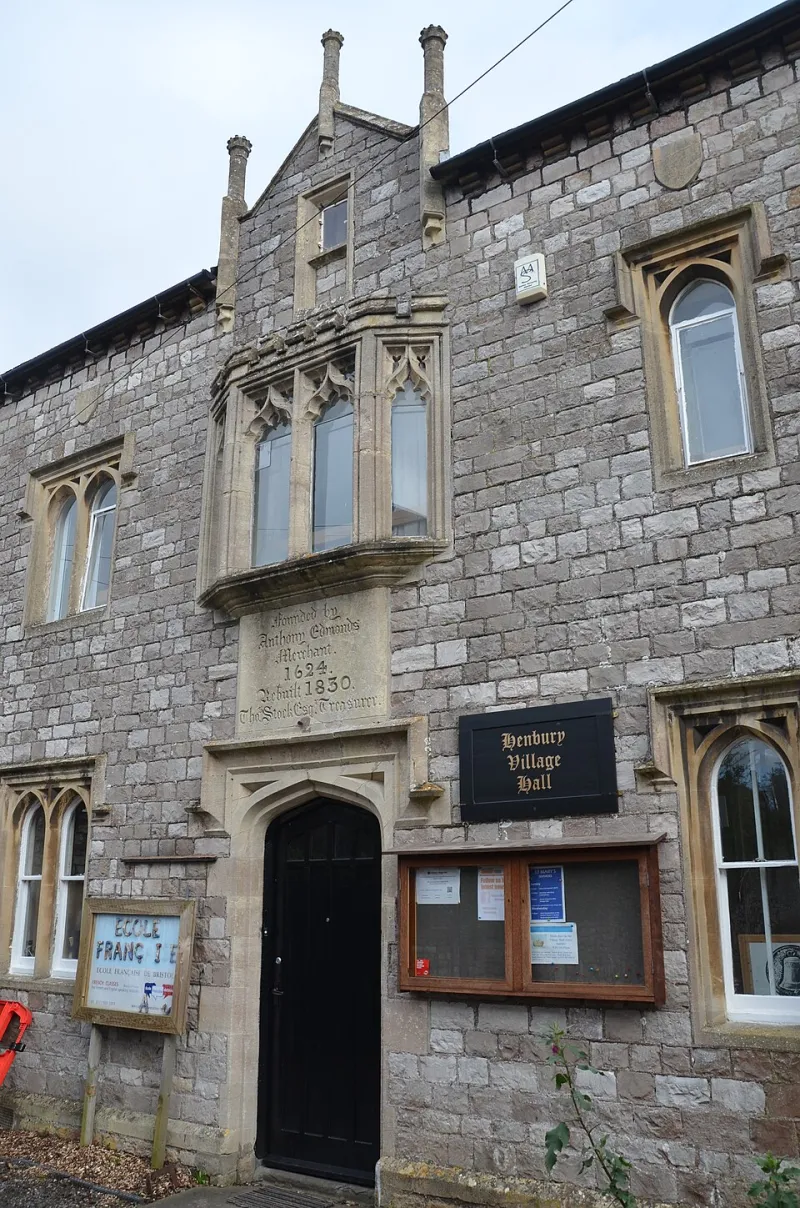
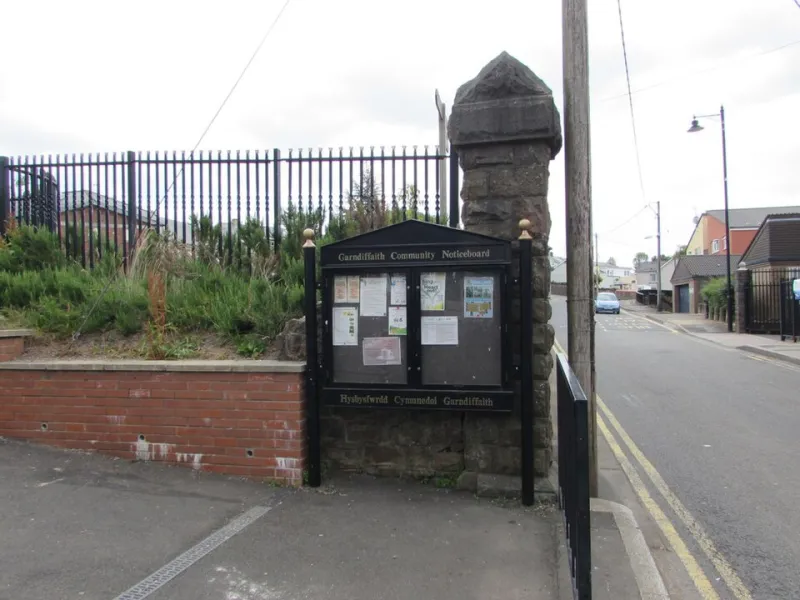
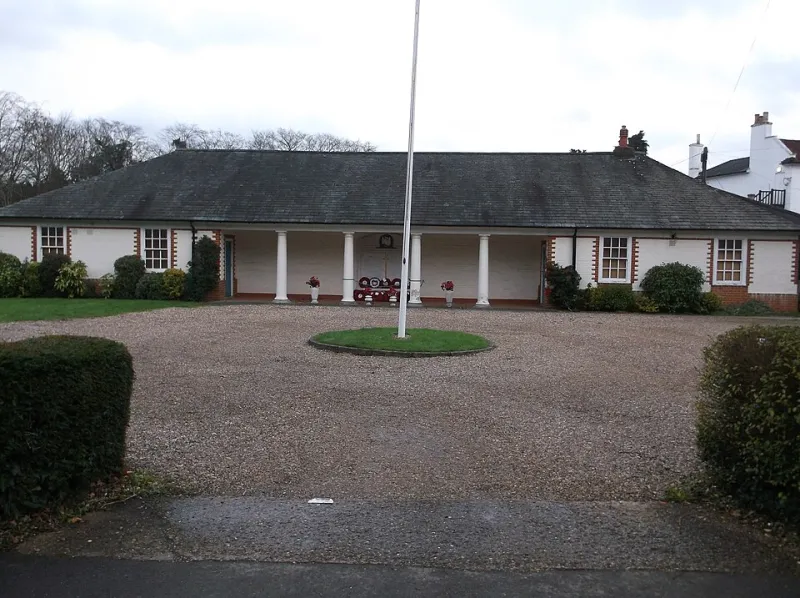
- A community space — hall, library, church hall, sports pavilion, scout hut. Something with a noticeboard and a key.
Out of 20. Under 8, your street is doing a lot of heavy lifting with the car. Between 8 and 14, you're in the ordinary British middle. Over 15 and you should probably stop going on about it at parties — or start defending it, because plenty of neighbourhoods have lost exactly this and would like it back.
The bits people forget to count
Amenities are only half the story. The rest is whether you can reach them at all.
A pavement isn't a pavement if it's blocked by three wheelie bins and a hedge. A crossing isn't a crossing if it takes four minutes to change. A bench isn't a bench if it's been taken away because a handful of people sat on it too long. Lighting matters in November far more than in June, and step-free access matters every single day to somebody on your street.
Score these separately, one point each:
- Pavements wide enough for a wheelchair or buggy to pass a person
- At least one crossing that doesn't feel like a dare
- Lighting that makes an evening walk plausible
- A bench, in the sun, somewhere you'd actually want to sit
- A bin that gets emptied
- Step-free access to the shop, the surgery and the hall
What the score can't tell you
A tidy scorecard can flatter a place. Two shops and a surgery might all be open nine to five, Monday to Friday — useless if you work shifts. A community space that costs £40 an hour to hire is a different thing from one that's free on a Tuesday morning. A post office counter inside a shop that shuts at 5.30pm is technically an amenity and practically a rumour.
Opening hours and affordability are the two things that turn facilities on a map into facilities in a life. Score them out of ten if you like — most of us form an opinion within thirty seconds.
Now do something with it
Here's the satisfying part: a score isn't a verdict on your town, it's a shopping list.
Take it to the parish council, a councillor's surgery or the next neighbourhood plan meeting, and make a specific, modest ask. "The bench by the rec has gone and the path floods" lands far better than "the area's gone downhill". Library staff, community association secretaries and the people running the food bank all know which lever to pull, and they're usually delighted to meet somebody who noticed.
And if your score is high, say so out loud. Back the library when it's consulted on. Use the post office counter before head office decides it isn't worth the square footage. Turn up to the thing in the hall, even when it's raining.
Because a walkable neighbourhood isn't delivered from above — it's a set of small, ordinary places that survive because people use them. Your Centre might be a building, a bench, a bus shelter or a board by a door. The test stays the same: can you walk to it, and would you want to?